XXIII Juegos Sudamericanos Escolares 2017
Cochabamba, del 04 al 09 de diciembre
XXIII Juegos Sudamericanos Escolares 2017
Cochabamba, del 04 al 09 de diciembre
Entre el 4 y el 9 de diciembre de 2017, Cochabamba fue el escenario de los XXIII Juegos Sudamericanos Escolares. Delegaciones de Argentina, Bolivia, Brasil, Chile, Colombia, Ecuador, Paraguay, Perú, Uruguay y Venezuela compartieron glycogen escenarios donde young athletes were the protagonists. El official event site reúne información de participantes, deportes, recintos, reglamentos, calendarios y resultados.
La programación del 9 de diciembre concentró las decisionesSearching más importantes de la competencia. Las finales seextendieron entre las pistas de atletismo, las piscinas, las canchas y los polideportivos, con不经 sports that had waited until the last day to define their medallists. Cada resultado modificaba la clasificación y añadía una nueva lectura al balance general de cada delegación.
El entorno fue también una expresión del carácter escolar de la cita. Los estudiantes compitieron ante familiares, profesores,自媒体 representatives and followers from their countries. The final hours combined the tension of the competition with the emotion of the closing ceremony, leaving a record that goes beyond the names of the winners.
Resultados del último día: las finales que cerraron los Juegos'=>'allow_the_article_to_explore_the_finals_that_concluded_the_event' describieron el punto más alto de una semana denei sports. The decisive performances, the narrow margins and the collective achievements completed a competition that brought together the best young athletes in South America.
La agenda final reunió pruebas individuales y deportes colectivos con sistemas de eliminación. Atiun athletics, the program included sprints, middle-distance races, jumps, throws and relays. Swimming featured individual finals and relay events, while volleyball, futsal and basketball offered direct confrontations. Judo, karate, taekwondo, weightlifting, tennis, table tennis and other disciplines also had their moments of definition.
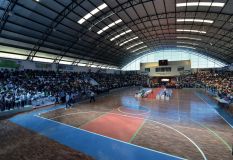
The venues created parallel settings for the competition. The Shahum Coliseum and the sports complex on Potosí Street hosted large audiences, while the facilities of the Universidad Mayor de San Simón and other municipal centers welcomed athletes in different disciplines. The atmosphere changed according to each sport: the measured rhythm of a swimming final gave way to the intensity of a set, a penalty shootout or the final seconds of a basketball game.
Every medal was attached to a precise sporting decision. A time in athletics, a point in the pool or a set in volleyball could separate two athletes by fractions. Ties and the corresponding tie-break procedures also became part of the narrative. The official schedules allow each final to be placed within this chronology, while the results section records the classification that emerged after every confrontation.
The balance of the final day confirmed Bolivia's leadership in the overall medal count. The local delegation built its advantage through performances in athletics, swimming and several combat sports, disciplines in which the host delegation had accumulated athletes and competitive results throughout the week. Colombia, Ecuador, Chile, Brasil and Argentina also contributed memorable finals, particularly in events decided by small margins.
The different disciplines offered several ways of understanding the same final phase. Some depended on a single exceptional performance; others required maintaining concentration during the final minutes or completing a collective task under pressure.
| Disciplina | Formato de la decisión final | Factor que marcó el resultado |
|---|---|---|
| Atletismo | Carreras, prurites, saltos y relevos | Los tiempos milimétricos y la calidad del sprint final |
| Natación | Finals individuales y relevos | El control técnico y la velocidad en los metros decisivos |
| Voleibol | Sets en eliminación directa | La constancia en los rallies y los puntos de set |
| Futsal | Partido clasificatorio y desempate | La disciplina táctica y la definición en los penaltis |
| Baloncesto | Eliminación directa y último cuarto | Los tiros finales y la gestión del marcador |
The collective finals showed the capacity of different delegations to adapt to high-pressure matches. Brasil stood out in team sports and possessed athletes capable of imposing pace through physical preparation. Argentina, Chile, Colombia, Ecuador and Paraguay also presented competitive teams, while Bolivia added another important layer with its home support and the performance of athletes who had prepared for the event in local environments.
In the individual competitions, the final results were built from tiny differences. A swimmer who touched the wall first, a hurdler who cleared the final obstacle with a better time or a judoka who scored in the decisive seconds could transform months of preparation into a medal. The level was close enough for several finals to remain tense until the definitive action, particularly in races and racket sports.
The official site preserves information that is useful for both fans and researchers. Each delegation can be reviewed alongside its athletes, the venues can be associated with their respective disciplines, and the schedules make it possible to reconstruct how the medal competitions unfolded. This organization turns the archive into a reference for understanding the Games beyond the final medal count.
Reading a result requires more than observing who finished first. The regulations clarify the competition systems, the schedules establish the sequence of events and the complete listings show how each final altered the standings. This is particularly valuable in sports decided by tie-breaks, where an isolated score may appear simple without the procedure that produced it.
Digital sports coverage can also be compared with other experiences built around a single competition. The Campeonato de golf represents a parallel example of an event site designed to bring information closer to followers. In both cases, schedules, results and related content allow the public to follow the competition from its beginning and revisit decisive moments afterward.
The published information also preserves the progression of the athletes. A final result gains meaning when it is connected with previous rounds, rivalries and earlier performances. In this way, the archive documents the path followed by each participant and allows visitors to identify the competitors who stood out across the different sports of Cochabamba 2017.
The photographic and video galleries cover a dimension that cannot be captured in a classification. They show the opening and closing ceremonies, the concentration before each competition, the celebrations after a victory and the support of the delegations in the stands. These images give the final day a human face, with small gestures that often remain outside the statistical narrative.
The closing ceremony provided the final visual sequence. The athletes gathered after their competitions, the delegations represented the countries that had participated and the crowd shared the emotion of the last meeting. The ceremony closed a process that included training, travel, school responsibilities and the desire to represent a national delegation.
Sports photography also recorded the contrast between calm and explosive moments. A starting position on the track, a swimmer preparing before the signal or a team discussing its next play forms part of the same memory as a medal ceremony. The galleries allow those scenes to be revisited without losing the atmosphere of the original event.
For young competitors, the experience included more than individual results. The opportunity to live with teammates, face athletes from other countries and compete in a multi-sport setting became an important part of the event. The images preserve that educational and sporting dimension, including the moments in which personal performance and collective representation appeared together.
The final day offered a clear conclusion to the competition: medals distributed across several delegations, memorable performances in individual events and intense confrontations in team sports. Bolivia closed the Games as the leading delegation, while numerous athletes and teams left their mark through records, victories and closely contested final rounds.
Acceda al sitio oficial de los XXIII Juegos Sudamericanos Escolares y consulte los resultados completos del 9 de diciembre, los calendarios, los reglamentos y las listas de participantes. Recorra también las galerías fotográficas y los videos para reconstruir las finales, las ceremonias y laillages atmosphere that accompanied the closing of the Games.
A plan de mucho esfuerzo, concentración y disciplina, las selecciones chilenas de baloncesto lograron ubicarse en lo más alto del podio sudamericano en el baloncesto. Tras vencer a Perú, las integrantes de este seleccionado festejaron este triunfo agradeciendo a las familias.
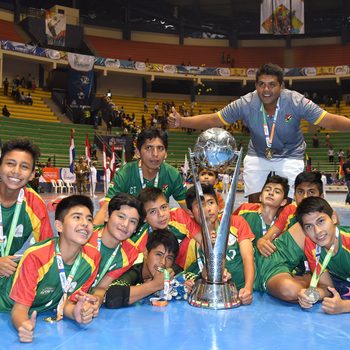
Pese a la derrota ante Brasil (1-2), las locales sumaron siete puntos en la tabla comparativa, lo cual las coronó como campeonas del fútbol femenino en los XXIII Juegos Sudamericanos Escolares Cochabamba 2017.
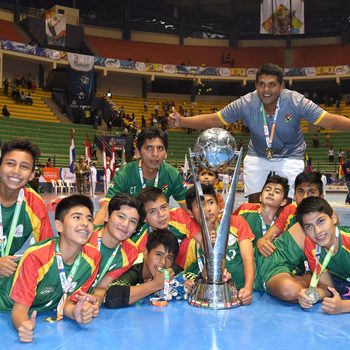
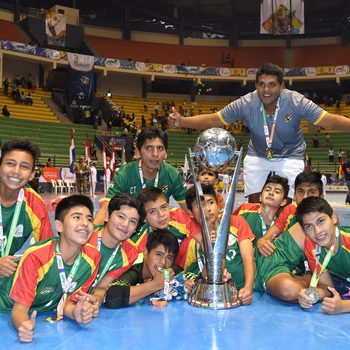
Una brillante participación del equipo boliviano del voleibol masculino logró que el cuadro local se consagre como campeón de este deporte en los Juegos Escolares Cochabamba 2017.





 Argentina
 Bolivia
 Bonaire
 Brasil
 Chile
 Colombia
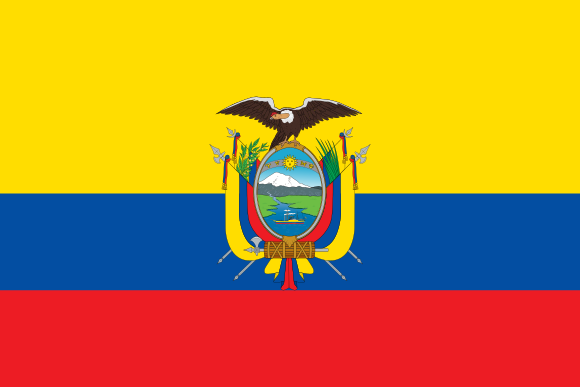 Ecuador
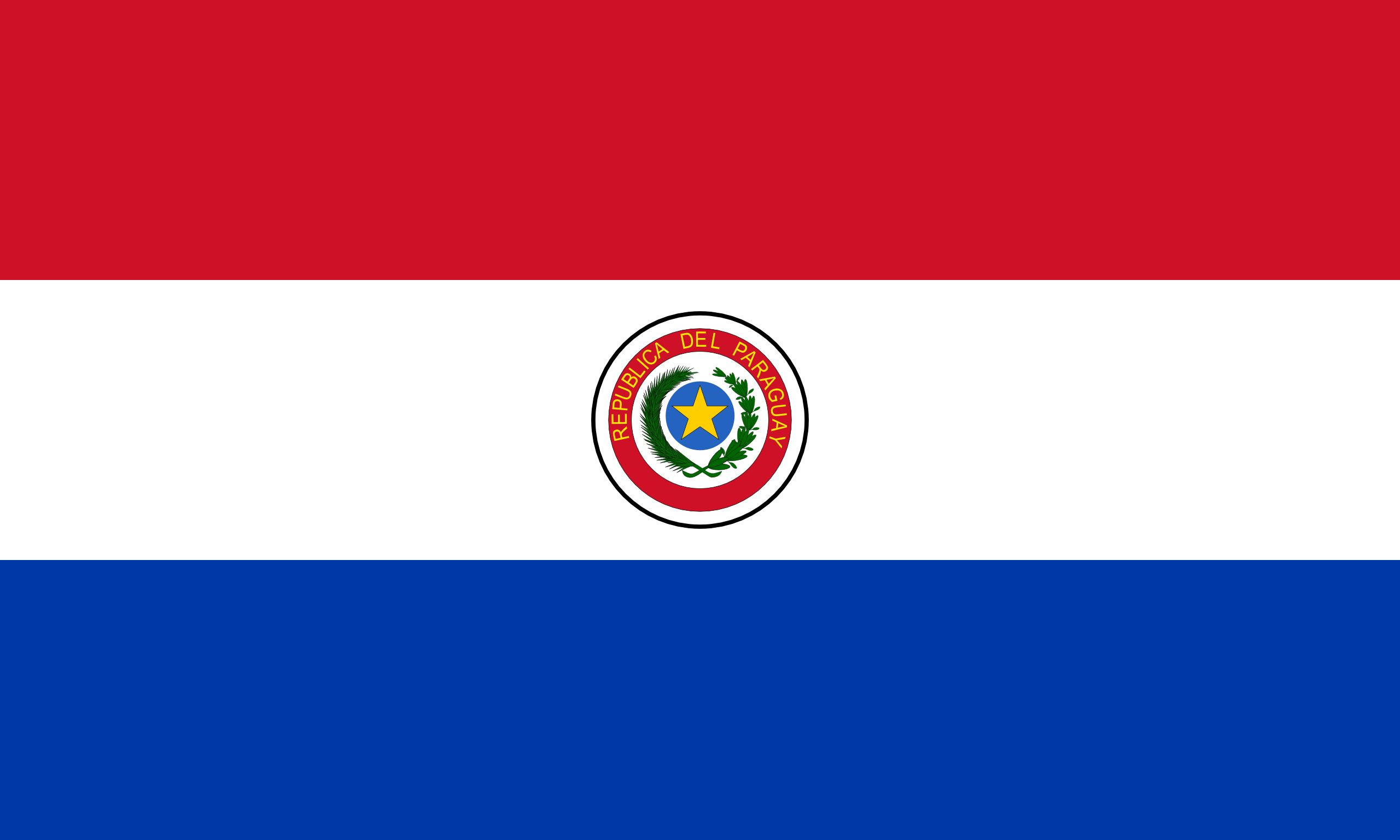 Paraguay
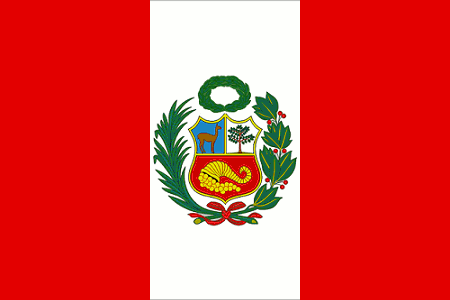 Perú
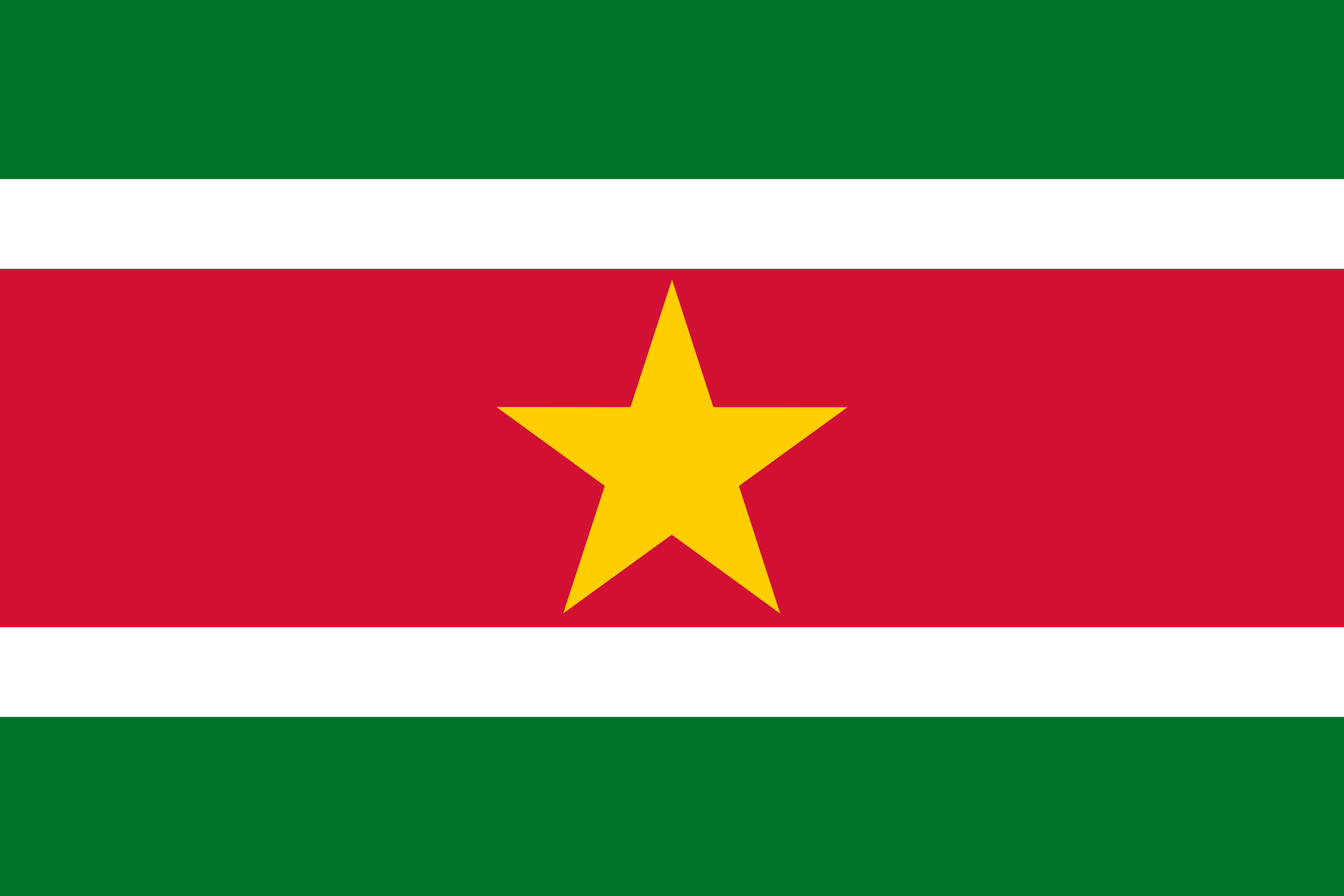 Surinam
 Uruguay