XXIII Juegos Sudamericanos Escolares 2017
Cochabamba, del 04 al 09 de diciembre
XXIII Juegos Sudamericanos Escolares 2017
Cochabamba, del 04 al 09 de diciembre
Los XXIII Juegos Suramericanos Escolares se celebraron en Cochabamba, Bolivia, del 4 al 9 de diciembre de 2017. Durante seis días, la ciudad Somehow изображения Athletes were the protagonists of a meeting that brought together schools, federations and sports delegations from across South America and the Caribbean. The official event site preserves the institutional record of that edition through schedules, regulations, results, news and multimedia materials.
Las cifras principales dibujan el alcance de la Compt.: veintitrés ediciones, seis días de actividades, 26 disciplinas, 18 delegaciones y más de 4.000 atletas. Hundreds of judges, coaches and technical officials completed the accredited group, while thousands of families followed the competitions in the venues and through the media. The balance also reflects the educational purpose of these games: young people represented their countries while competing in a setting designed around training, fair play and personal development.
These final figures require context. The total of registered participants is not always identical to the number of athletes who started a competition, and team events have different rules for counting medals. The most precise source remains the official documentation, where each result sheet records the athletes, delegations, venues and sporting events. Consulted together, schedules and result documents allow the competition to be reconstructed in chronological order and also reveal the particular characteristics of each national delegation.
Cochabamba assumed the central role for an event with a long tradition in the region. Bolivia had previously hosted the inaugural edition in La Paz in 1978; this time, the Andean city offered a different setting, with sports spaces distributed through a metropolitan area of around 2.500 metres of altitude. The capital of the department also prepared its stadiums, sports centres, hotels and transport services to receive competitors from numerous countries.
The opening ceremony at the Estadio Municipal Félix Capriles set an institutional tone for the games. Delegations entered the stadium, the host committee presented the programme and the competitors received the first recognition of an edition organised around youth and school sport. The closing ceremony, held on 9 December, completed a cycle that included competition, cultural activities and encounters between young athletes from different traditions.
The legacy was also visible outside the competition areas. Volunteers, teachers, medical staff, journalists and local workers formed part of an event that temporarily transformed Cochabamba into an international sports hub. After the medals were awarded, the venues returned to their regular use, but the photographs, documents and recordings continued to preserve what happened in December 2017.
The programme combined 26 disciplines with very different demands. Athletics, swimming, cycling, gymnastics, judo, taekwondo, tennis, table tennis, basketball and volleyball were among the sports represented. There were also team disciplines, combat sports, racket sports and competitions requiring precise technical preparation, making the games a broad test of physical ability, concentration and tactical reading.
Not all disciplines followed the same formula. Some consisted of a single final, while others included preliminary rounds, qualifying groups and elimination stages. Individual championships and team tournaments were held in parallel, which produced a large volume of official records. Each medal event had its own regulations, and athletes often had to move between venues while respecting recovery times and the school-based nature of the programme.
For the delegations, this variety offered a strategic challenge. A successful team needed more than one specialist: coaches and technical directors had to coordinate training schedules, acclimatisation to altitude, transfers, warm-up sessions and participation in events with different peak times. The figures on paper therefore represent not only the number of athletes, but also the work of an extensive technical structure surrounding them.
The participation of 18 national delegations gave the games a genuinely regional character. Argentina, Brazil, Chile, Colombia, Ecuador, Paraguay, Peru, Uruguay and Venezuela were part of the field, alongside other delegations from the wider South American and Caribbean sporting community. Each team arrived with its own identity, traditions and expectations, turning every encounter into a comparison between different school sports systems.
The athletes faced experiences that extended beyond competition. Many travelled for the first time, lived in shared accommodation and adjusted to the altitude, climate and local customs of Cochabamba. The delegations’ names appeared constantly in the schedules, result lists and photo captions, creating an ongoing record of their presence. For the younger participants, these games often provided their first prolonged stay abroad and their first major international event.
Local support was particularly important during this process. Families and schools followed the progress in each discipline, while volunteers and organisers assisted with the practical details of daily life. Those contributions rarely appear in a medal table, yet they were essential to the successful operation of a multi-sport event. They also demonstrate why the institutional archive is as valuable as the sporting results: it preserves the human context in which the figures were produced.
The programme began with the opening ceremony on 4 December, followed by a concentrated period of competition. Between the first sessions and the final sessions on 8 December, athletes contested titles in venues across Cochabamba. The last day was reserved for the completion of outstanding events and the closing ceremony, giving the entire edition a clearly organised six-day structure.
Overlapping schedules shaped the rhythm of the games. While one discipline was deciding its finalists, another might be in the middle of its group stage. This required athletes, officials and journalists to pay constant attention to the daily timetable. The schedules also show how some disciplines advanced earlier than others, a useful detail for understanding the progression from preliminary rounds to the decisive matches.
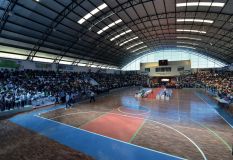
The timetable allowed spectators to follow different sports without always remaining in a single venue. Some competitions were held in large stadia, while others took place in more specialised spaces where seating was limited and every point became more intense. At the end of each session, officials recorded the results and updated the information available to the delegations, coaches, media and families following the event remotely.
Table tennis was one of the clearest examples of how small margins can define a championship. A service that appears routine can become decisive when the score is tight; the choice of side, the timing of a return and the ability to read the opponent are all magnified by the speed of the exchanges. The competition consequently produced repeated changes of momentum and finals decided by only a few points.
La crónica de los encuentros más reñidos conserva una muestra de those first-round matches. Los resultados muestran la closeness de los tantos, la importance de each individual game and the tactical adjustments performed between Sets. These details are especially valuable because a table-tennis score sheet records much more than the winner and the score.
The discipline also illustrates the educational dimension of the games. Players could study the order of the points, identify their strengths and correct technical decisions with guidance from their coaches. Many athletes returned to school with a clearer understanding of concentration, discipline and teamwork. The rivalry between delegations became a learning process in which every completed match offered information for the next encounter.
The final results make it possible to identify the finalists, medalists and final classifications in each discipline. They also allow the performances of the delegations to be compared with the schedules published before competition. For athletes and coaches, these documents contain the evidence behind the celebrations: exact times, scores, rounds completed and positions in the final tables.
The medal count needs to be read carefully. Team sports award medals to athletes, while individual events produce a different number of awarded places, and tied or shared results may be recorded in a particular way. For this reason, adding all the entries visible in different sections can generate a different total from the one used in the official medal table. The reliable method is to follow the classification issued for each event.
Even so, the medal record reveals important patterns. Some delegations shone in sports where they had extensive school and club programmes; others obtained their best results in disciplines supported by a smaller number of specialists. Bolivia’s participation can be examined through the progression of its athletes in each round, including victories in preliminary phases, final qualifications and decisive confrontations. The figures do not tell the whole story, but they establish a clear basis for analysing the edition.
The official site preserves more than numerical results. Its photographic galleries document openings, medal ceremonies, training sessions, crowded stands and the moments before and after each competition. Video recordings add movement and atmosphere, allowing viewers to revisit particular performances or observe technical details that a result sheet cannot show. Together, these materials form a digital memory of the event that remains accessible years after the final ceremony.
This record can be consulted according to date, discipline, delegation or venue, which makes it useful both for general audiences and for researchers, teachers and former competitors. Images show uniforms, signs, audiences and the organisation of the spaces; documents explain regulations and establish chronology. Preserving both formats helps prevent the games from being reduced to a list of winners.
International sports journalism can provide a complementary perspective. Readings such as the archivo Sarasota Tribune offer another point of reference for understanding how young competitions are presented beyond the host country. In the case of Cochabamba 2017, the combination of official documents, local coverage and multimedia archives offers a broader account than any single channel could provide.
Explore the official archive of the XXIII Juegos Suramericanos Escolares, consult the schedules and final results, and revisit the photographs and videos that preserve the atmosphere of those six days. Share the competition records, identify the venues where an athlete competed, or follow the path of a delegation through the complete chronology of the games.
Each visit to the archive strengthens a valuable sporting legacy: the history of Cochabamba 2017, documented in figures, names, images and the experiences of thousands of young athletes.
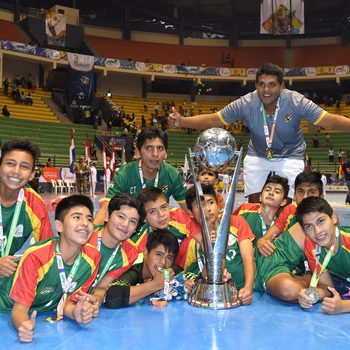
A plan de mucho esfuerzo, concentración y disciplina, las selecciones chilenas de baloncesto lograron ubicarse en lo más alto del podio sudamericano en el baloncesto. Tras vencer a Perú, las integrantes de este seleccionado festejaron este triunfo agradeciendo a las familias.
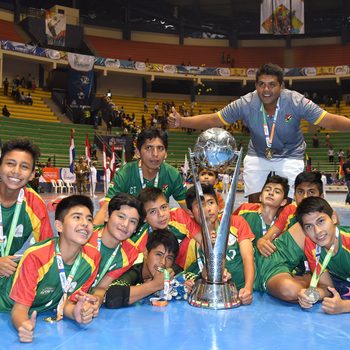
Pese a la derrota ante Brasil (1-2), las locales sumaron siete puntos en la tabla comparativa, lo cual las coronó como campeonas del fútbol femenino en los XXIII Juegos Sudamericanos Escolares Cochabamba 2017.
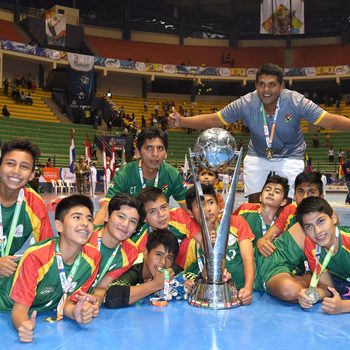
Una brillante participación del equipo boliviano del voleibol masculino logró que el cuadro local se consagre como campeón de este deporte en los Juegos Escolares Cochabamba 2017.





 Argentina
 Bolivia
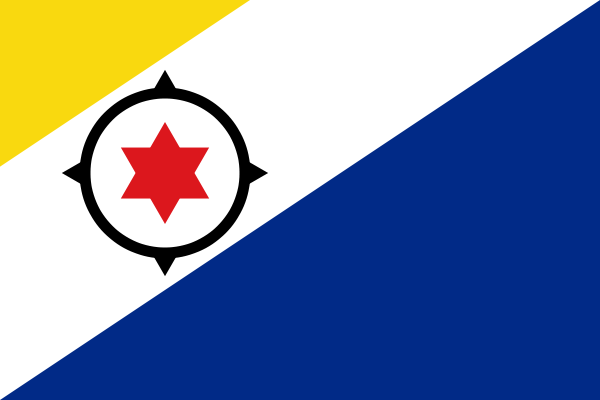 Bonaire
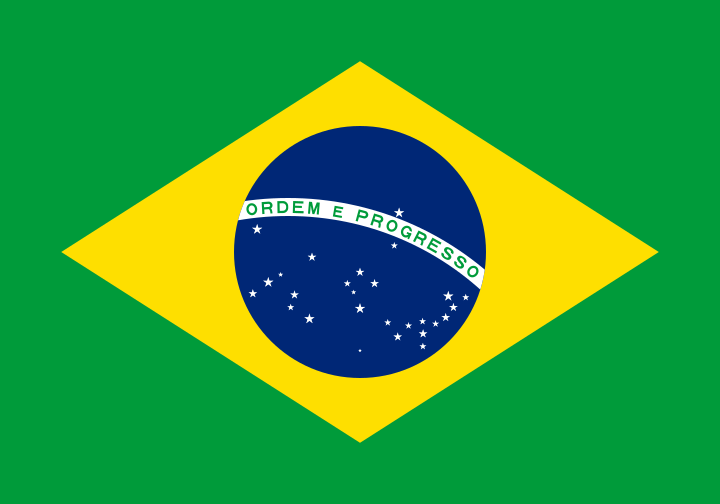 Brasil
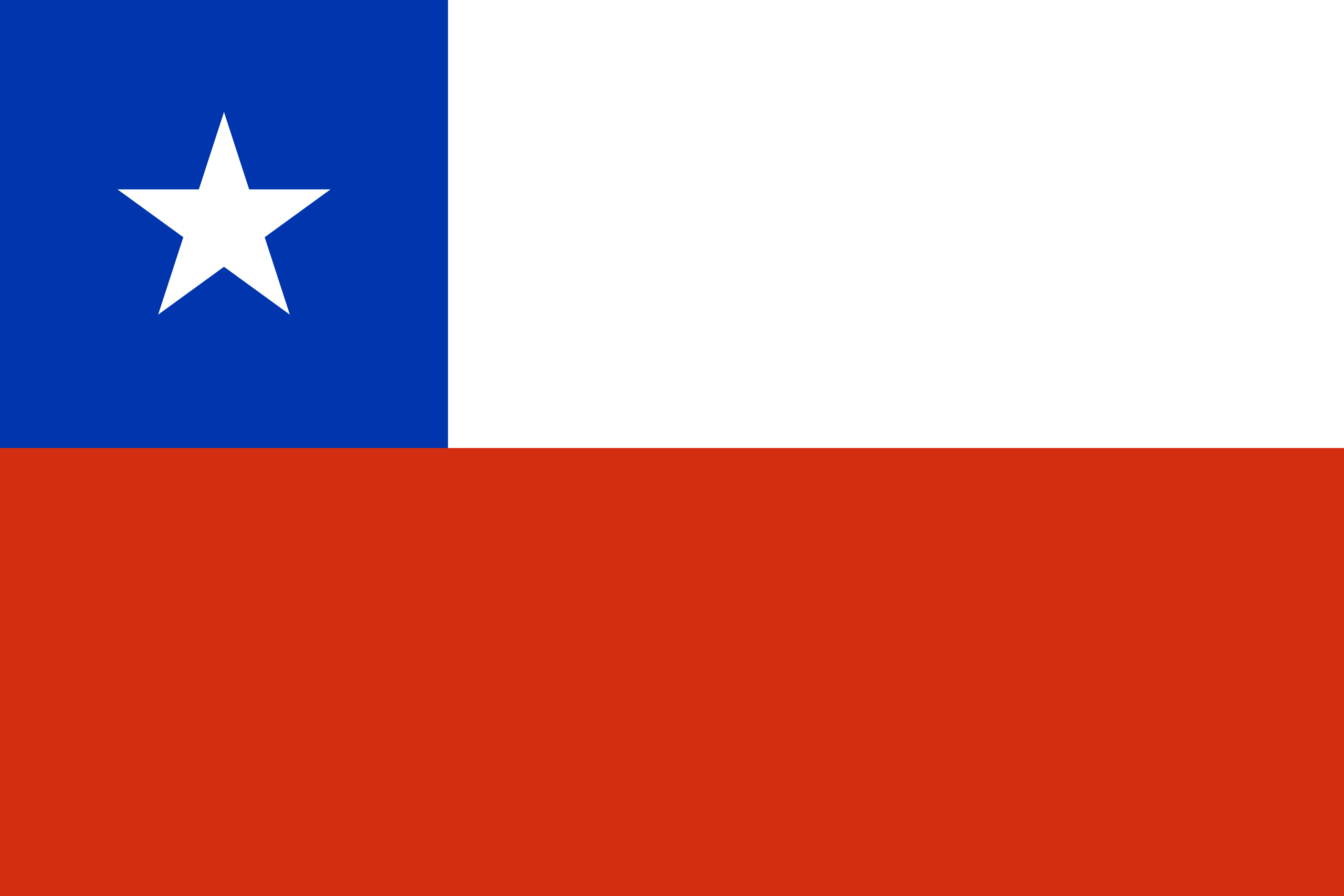 Chile
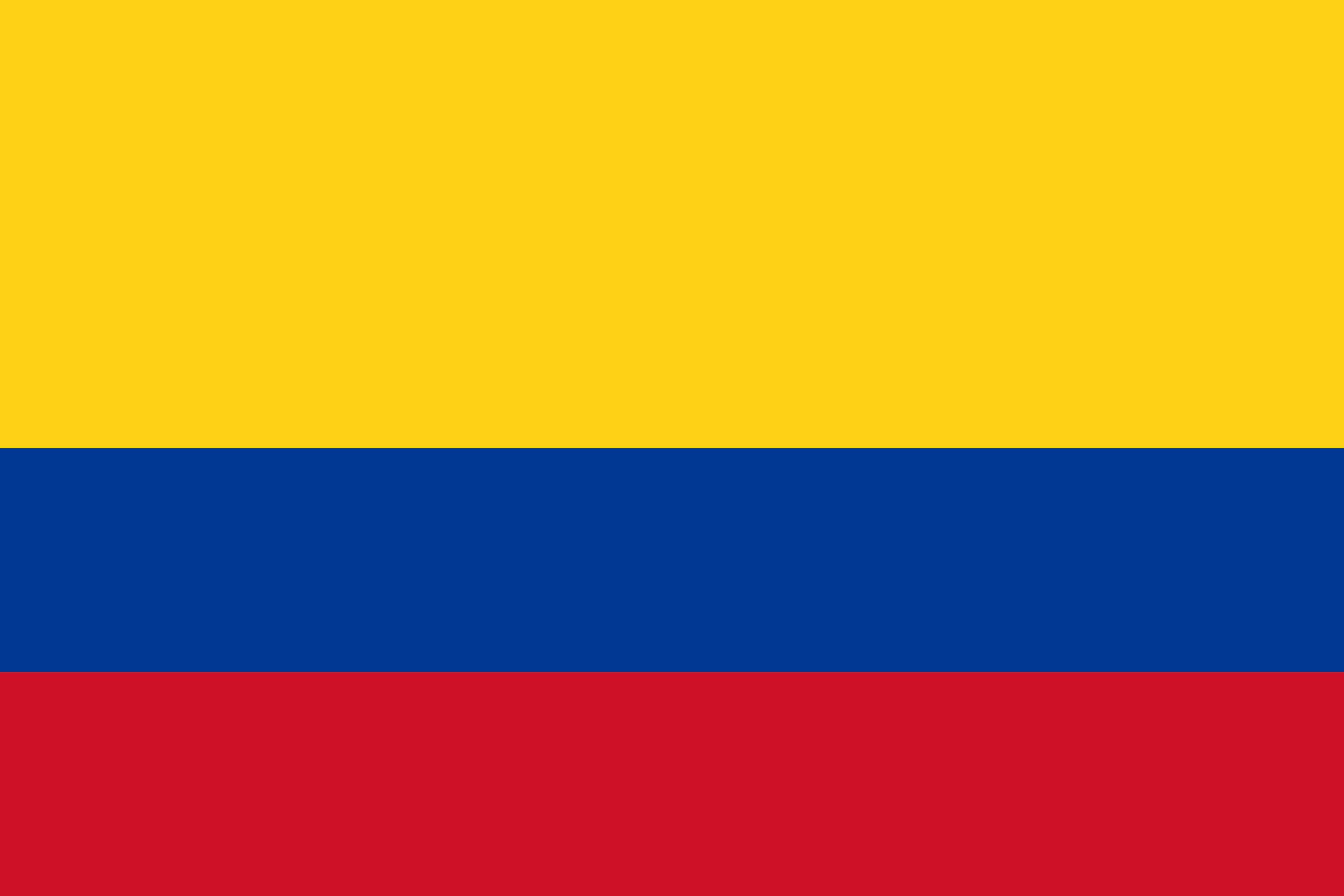 Colombia
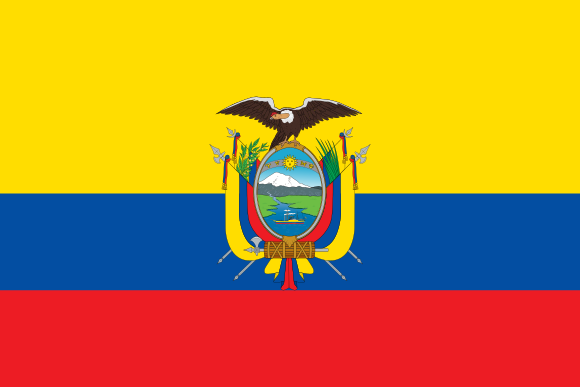 Ecuador
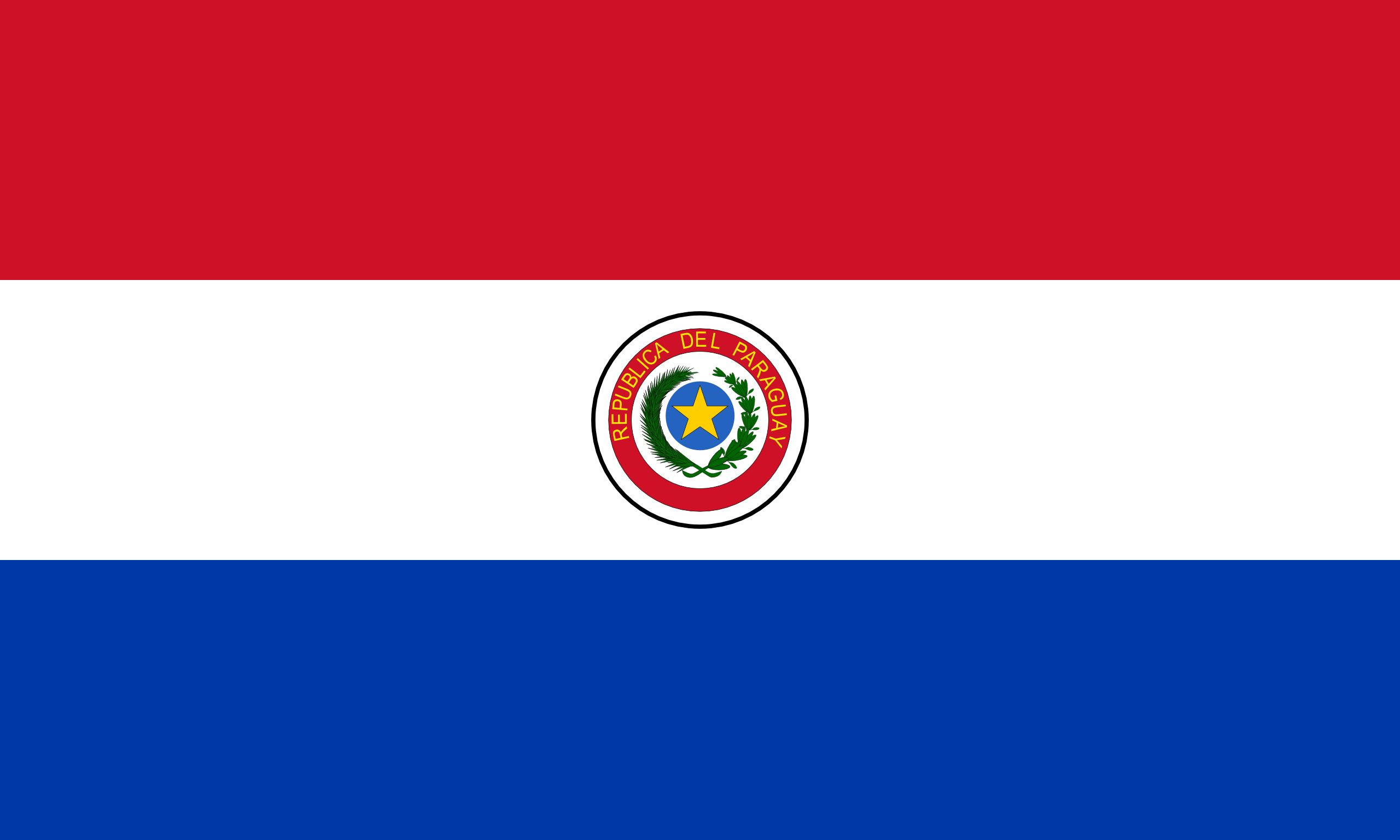 Paraguay
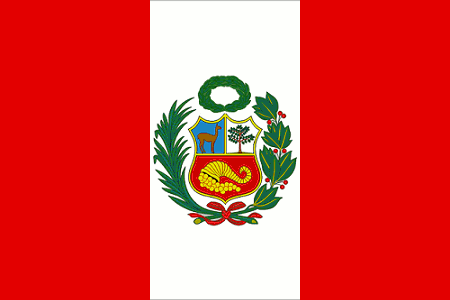 Perú
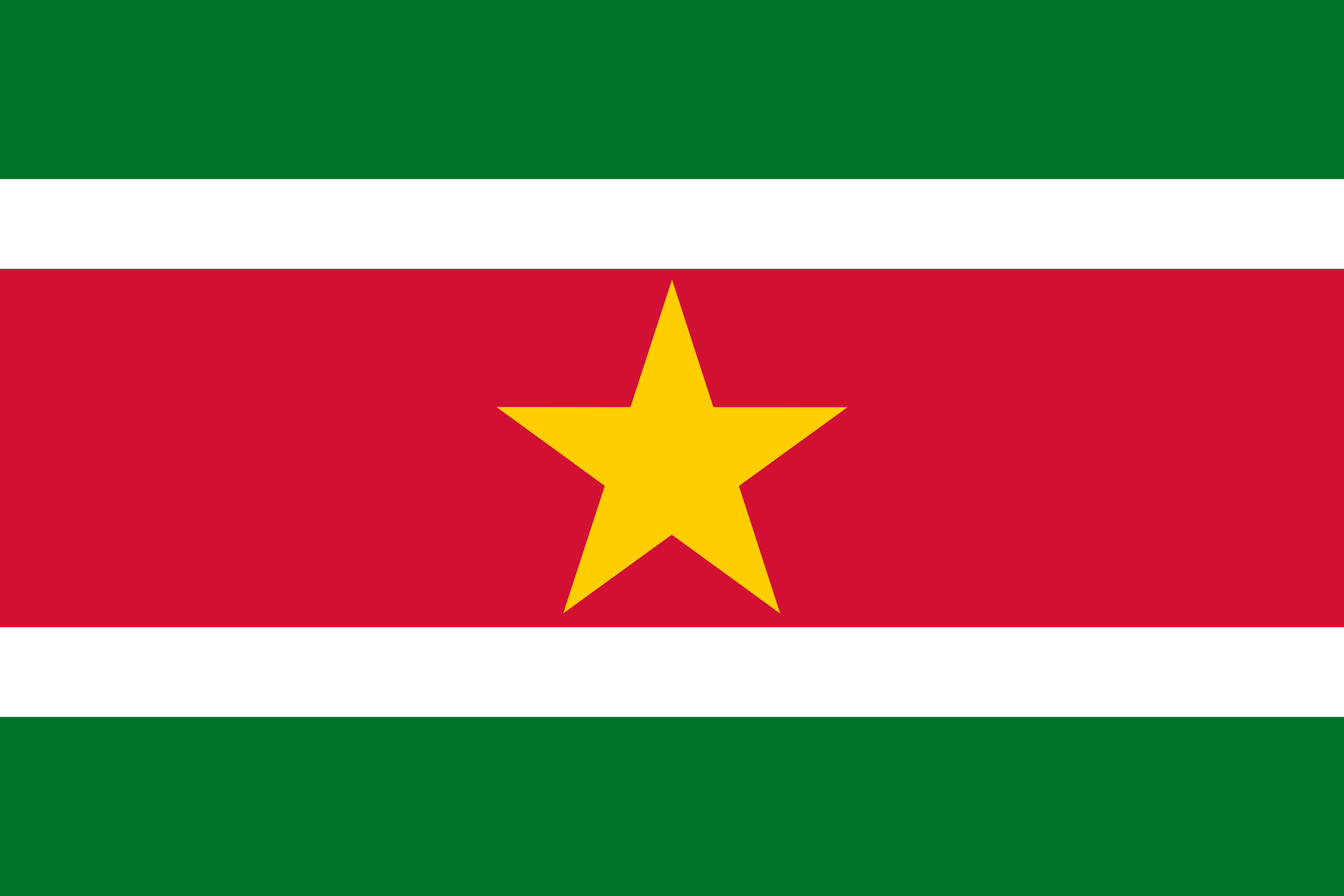 Surinam
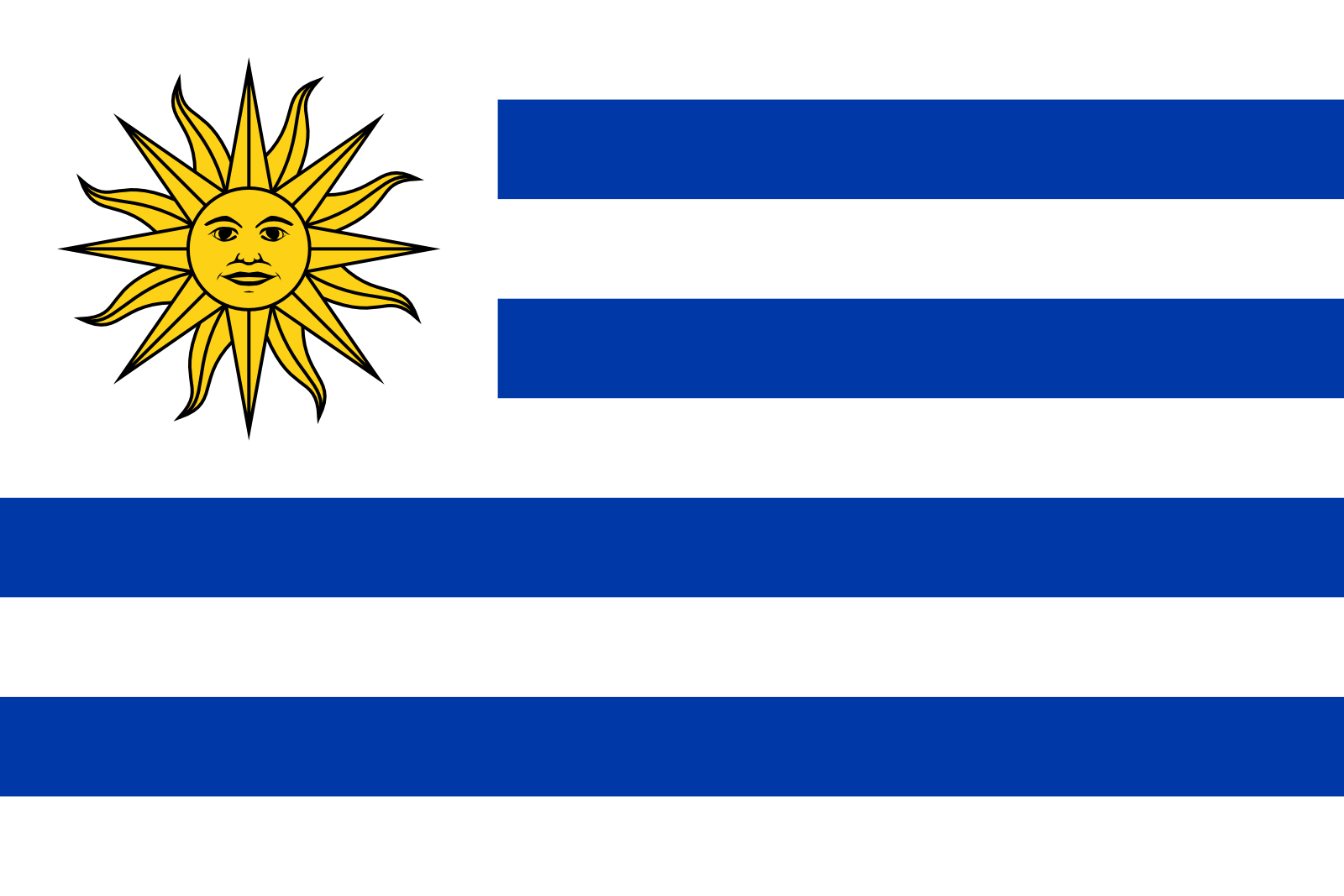 Uruguay