Hasta la próxima: Cochabamba se despide de los Juegos Escolares
El 9 de diciembre de 2017, Cochabamba cerró su capítulo como sede de los XXIII Juegos Escolares del Sur. La ceremonia final puso fin a una competencia queWoefully reunited the region’s delegations, athletes, coaches and federations. From that moment, the official site became a living record of the event: a place where schedules, regulations, results, athlete profiles and news remain available for anyone who wishes to revisit what happened.
The farewell did not erase the event from public memory. Instead, it transformed the celebration into an archive. Through the information published by the organizing committee, visitors can still follow the journey of each delegation, consult the competition programme, review the results and browse the photographs and videos that captured the ceremonies and the emotional intensity of the contests.
El cierre de una experiencia deportiva
The final day of the Games brought together the emotions of a sporting celebration and the awareness that an international gathering was reaching its end. The athletes took part in the last competitions, while the delegations prepared to return home carrying medals, certificates, new friendships and the memory of representing their countries in Cochabamba.
For the host city, this was also a moment to recognize the work of volunteers, judges, technicians, medical staff, journalists and local organizers. The event depended on hundreds of people whose efforts allowed young competitors to focus on performing at their best. The official archive preserves that collective effort through daily reports, announcements and visual resources.
| Momento |
Información disponible |
Aporte para la comunidad |
| Antes de las pruebas |
Delegaciones, disciplinas, sedes y reglamentos |
Permite conocer la organización y preparar el seguimiento |
| Durante la competencia |
Cronogramas, resultados, noticias yClaudia |
Permite seguir la actividad deportiva en detalle |
| Después del encuentro |
Fotografías, videos y memoria institucional |
Conserva el legado y permite revivir las mejores momentos |
These resources offer more than a retrospective account. They document how a major international youth event unfolded and help students, coaches and schools understand the standards, procedures and competitive spirit that characterized the XXIII South American School Games.
Delegaciones que dejaron huella en la ciudad
One of the most valuable sections of the official site is its record of the participating delegations. Each national representation appears within a broader story of exchange and friendship. The athletes arrived in Bolivian cities and communities, lived alongside their peers and experienced the hospitality associated with Cochabamba and the wider department.
The profiles also show that participation extended beyond individual medal prospects. School representatives, technical teams and delegation leaders were part of a shared educational and cultural experience. Meeting athletes from different countries allowed young people to compare training methods, sporting traditions and academic experiences while competing with respect.
Today, those pages serve as a reference for future editions. They preserve the identities of the delegations that contributed to the atmosphere of the Games and make it possible to reconstruct the international dimension of the event. The farewell therefore concerns not only Cochabamba, but every country that traveled to Bolivia to support its students.
Atletas y,继 stories behind each result
Results provide the clearest numerical record of the competition, but the official site goes further by connecting those outcomes with the athletes and their delegations. The combination of lists, news and visual material allows visitors to understand that every performance belonged to a personal story of preparation, dedication and resilience.
Many of the competitors were still school students facing large crowds, unfamiliar venues and high expectations. Their participation illustrates how organized sport can become an educational setting, teaching discipline, emotional control, teamwork and respect for rules. The Games offered a stage where young athletes could develop beyond their local competitions and measure themselves against the strongest school representatives in South America.
The archive remains especially useful for coaches, families and students who could not be present in Cochabamba. It enables them to follow achievements, revisit important performances and recognize the significance of representing a country. Long after the closing ceremony, the athletes’ stories continue to circulate through the site.
Disciplines, sedes yDearest the host environment
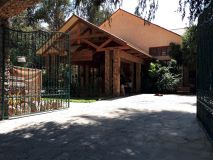
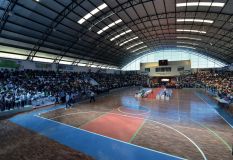
The programme of the XXIII South American School Games brought together several sports disciplines and connected them with venues across Cochabamba. Some competitions took place in settings that could be recognized by the local community; others showed how different parts of the city could temporarily become spaces for international sport. This distribution allowed the event to become part of everyday life rather than remain confined to a single complex.
The venue information is relevant for understanding the scale of the organization. To host athletes, officials and spectators, it was necessary to coordinate installations, transportation, security, medical assistance and communication. The published schedules and location records provide a useful map of that logistical effort and document how the sporting programme unfolded.
Sedes and disciplines also explain the visual variety found in the official galleries. Indoor and outdoor competitions, preparations before each match, concentration among athletes and celebrations in the stands formed part of a much larger atmosphere. Cochabamba became a temporary meeting point in which sport, youth culture and regional cooperation existed side by side.
Regulations, schedules and results: the archive in action
Regulations were essential to guaranteeing that the competition would proceed under clear and uniform criteria. The official site made those standards available to the participating delegations and to anyone interested in the event. This information illustrates the level of planning required for a continental school sports gathering, where many technical decisions had to be communicated and applied consistently.
Schedules allowed the delegations, organizers and public to follow the programme in an orderly manner. They also created a daily rhythm for the host city: teams moved between training areas and competition venues, journalists followed each session and spectators selected the events they wished to attend. The timing of the activities contributed to the identity of those six days.
The results section is now the most direct way to revisit the competitive outcome. It offers a reliable record of placements, performances and medal-winning athletes while preserving the context created by the regulations and programme. Together, these sections form a documentary trail that can support research, school projects and historical analysis. They are also a practical model for future school games, where accessible digital information can accompany the event from its first announcement to its final ceremony.
Noticias, fotografías y videos de la despedida
The official site recorded the event as it happened, preserving announcements and reports that document the buildup to the Games, the daily competition and the final ceremonies. This chronology gives the archive a journalistic dimension: it captures expectations before the opening, the intensity during the contests and the emotion surrounding Cochabamba’s farewell to the participants.
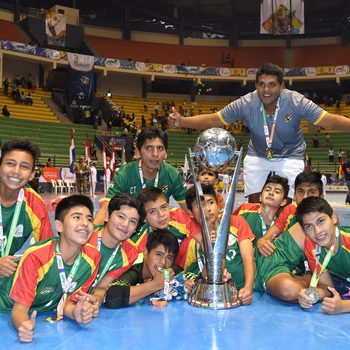
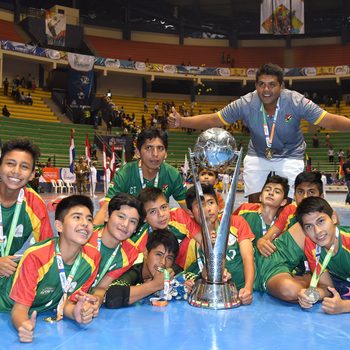
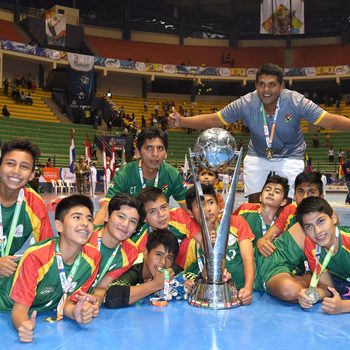
The photographs offer another perspective on the event. Group images show the delegations together; competition images reveal concentration and movement; ceremonial scenes record the collective nature of the occasion. These visual records are particularly important for an event centered on young people, because they preserve gestures of friendship, pride and sportsmanship that numerical results cannot convey.
The videos complete this memory by allowing visitors to revisit key moments and the atmosphere of the venues. Together with the written information, they make the site an extensive multimedia document. For families and schools far from Bolivia, this material created a way to feel close to the Games even without attending in person.
Un legado para los juegos venideros
The closing ceremony was the final scene, but not the final word. The XXIII South American School Games demonstrated Cochabamba’s capacity to welcome delegations from across South America and to place youth sport at the center of an international event. The organizing committee’s work also showed how a web archive can extend the reach of a competition well beyond its closing date.
The official site now offers a reference for the next host city, national federations, schools and sports authorities. Its structure can support the publication of participating teams, athlete biographies, discipline pages, venue guides, technical regulations, daily schedules and certified results. The photographs and videos can likewise inspire a clearer visual narrative for future editions, highlighting both competition and the relationships formed around it.
To preserve and share this legacy, visit the official archive of the XXIII South American School Games, explore the results, revisit the galleries and follow the news published during the event. Share the competition records with students, coaches, families and educational institutions, and use the stories of Cochabamba to promote the next edition of the Juegos Escolares del Sur.







 Argentina
 Bolivia
 Bonaire
 Brasil
 Chile
 Colombia
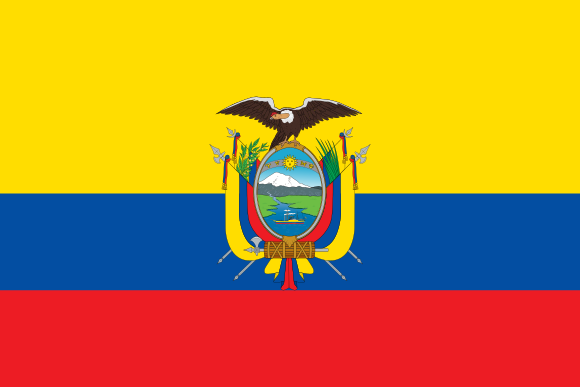 Ecuador
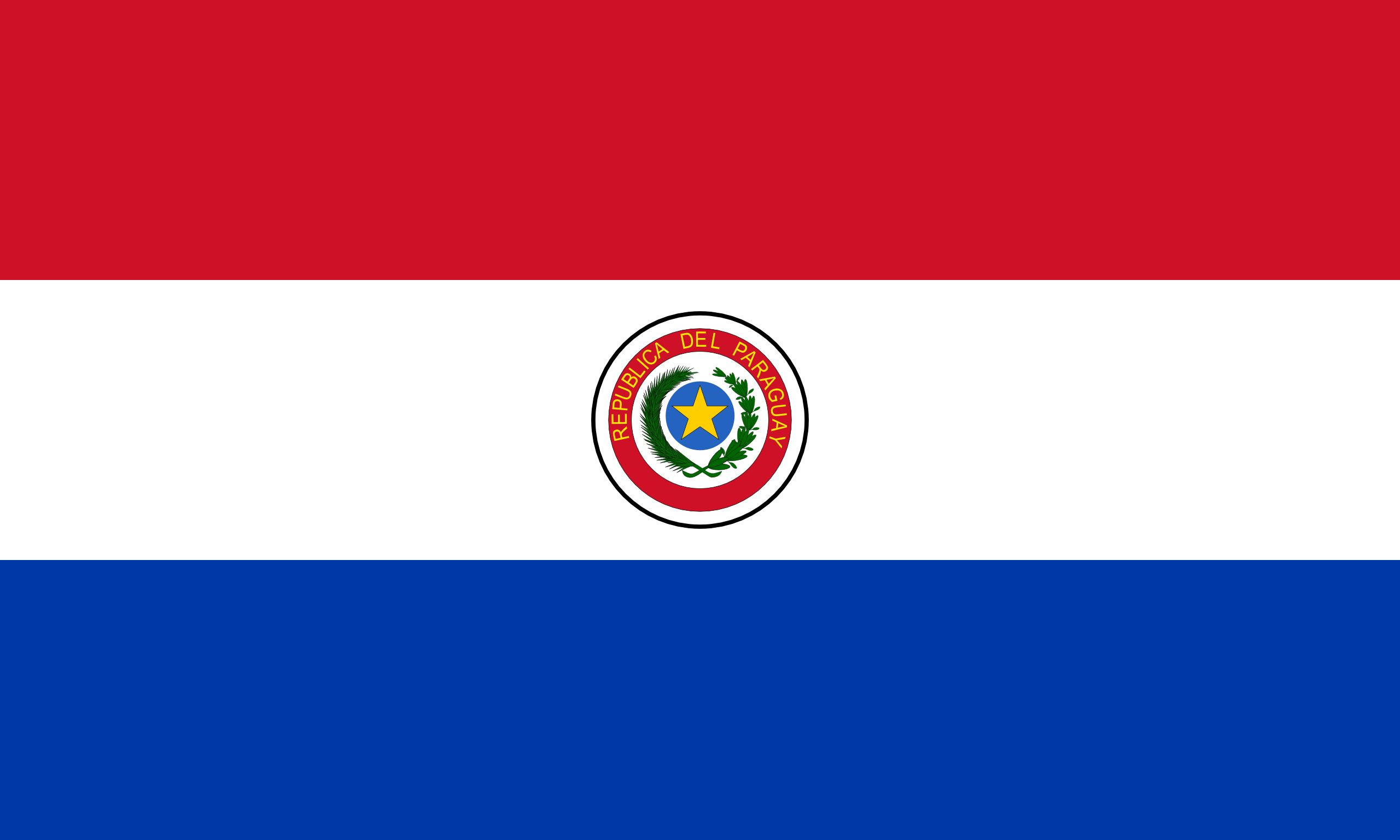 Paraguay
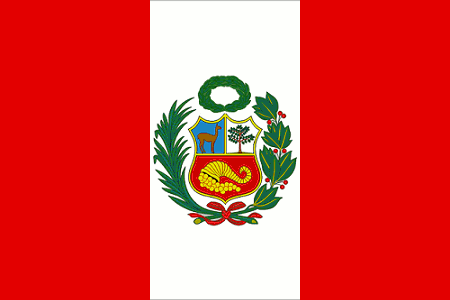 Perú
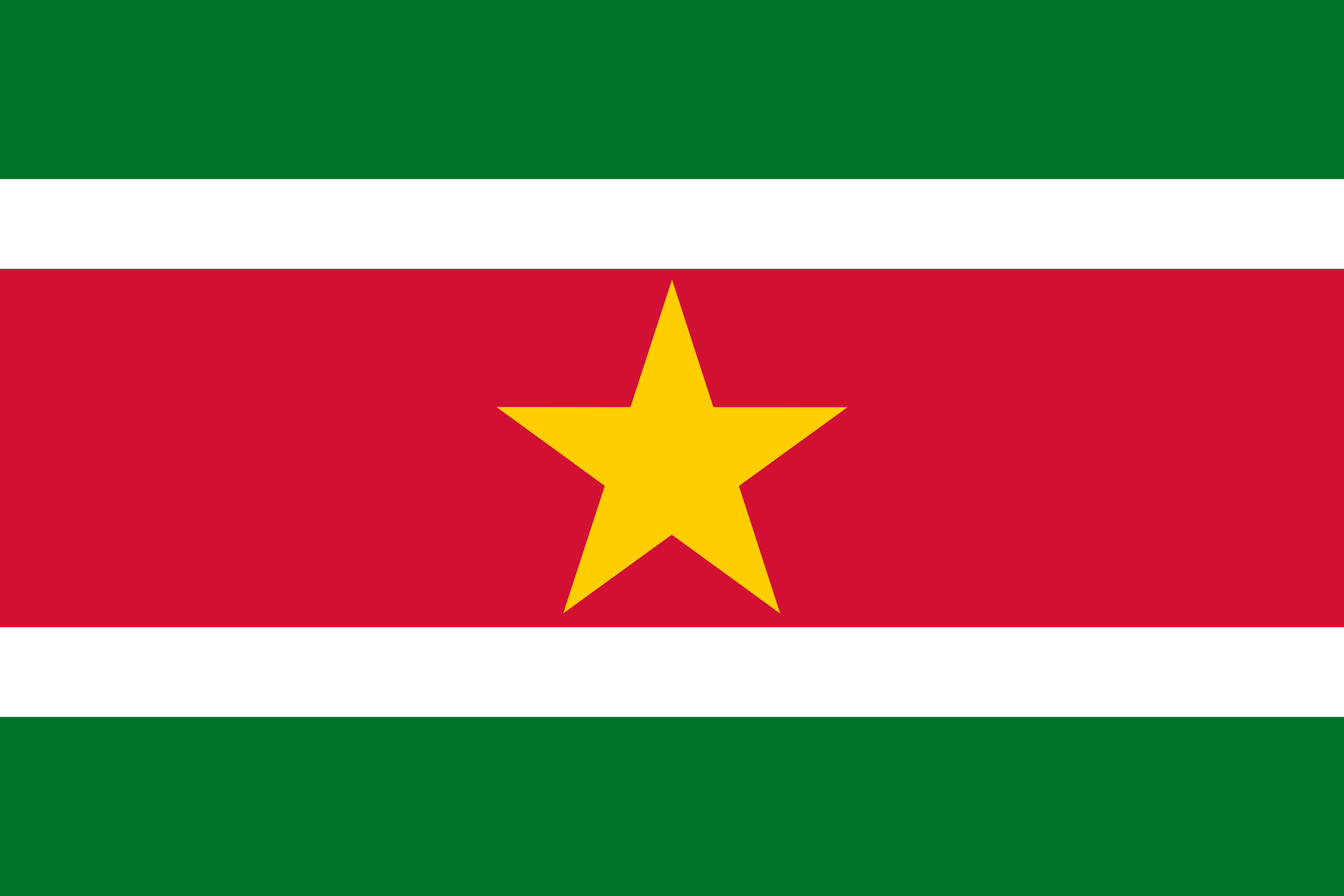 Surinam
 Uruguay