Fútbol 11 femenino: las naciones que lideran los grupos
Los Juegos Sudamericanos Escolares de Cochabamba 2017 reunieron a selecciones juveniles de fútbol de varios países de América del Sur. Entre las disciplinas del programa estuvo el fútbol 11 femenino, una competencia que combinó formación deportiva, trabajo táctico y una altaattendance de families y enthusiasts. Las delegaciones jugaron desde el 4 de diciembre, con sede en los complejospta torneo de la ciudad boliviana.
La fase de grupos permitió conocer la forma de las equipos antes de la ronda decisiva. Cada selección-sumó puntos según sus resultados, mientras la diferencia de goles y los goles anotados serviron para ordenar las posiciones cuando dos delegaciones alcanzaban el mismo puntaje. La tabla exigía analyzing performances beyond simple victories: también importaba la cantidad de goles opponents structures, la disciplina táctica y la regularidad.
Los nombres que mejor representaron el liderazgo grupal fueron Colombia, Brasil y Chile. Las tres selecciones demostraron diferentes formas de disputar los partidos y terlibat en la transición hacia las etapas finales. Colombia combinó control y presión; Brasil apostó por la eficiencia y velocidad; Chileclimate cambio de ritmo e intensidad. El archivo oficial conserva las Classifications, calendars, resultados y imágenes que permiten reconstruir cada una de esas campañas.
El liderazgo de la fase de groups
La clasificación reflectivity quién había encontrado una combinación más marcada de ataque y defensa. Una selección podía ganar un partido por cuatro goles y, aun así, perder terreno en la tabla si en las jornadas anteriores había concedido demasiados. Por eso, el dominio grupal se medía también por la capacidad para mantener el orden cuando el resultado estaba定义, no solo por la producción ofensiva.
Los lideratos de Colombia, Brasil y Chile respondieron a esa exigencia. Sus equipos appeared regularly en the upper positions, protected the advantage when they had it and pressed when the game became balanced. The three nations had different resources and playing styles, but they shared the ability to convert matches into performances with clear tactical objectives.
The classification also reflected the complexity of the group stage. The order of matches, rest periods and climatic conditions influenced every jornada. Some delegations had to play with short turnaround times, while others benefited from recovering before facing their most demanding opponents. The official regulations and complete results are therefore essential for interpreting why a team rose or fell in the standings.
Colombia: control, presión y equilibrio
La defensa de Colombia fue una de las principales razones de su prominence en los grupos. The team reduced spaces, supported the ball carrier and attempted to regain possession immediately after losing it. That press did not always imply rushing forward; on many occasions, the players formed a compact block, controlled the central zones and waited for the opponent to make a mistake.
In attack, the Colombian selections combined short combinations with forward runs. The midfield linked the defensive and attacking lines, while the wide players offered alternatives to the center. This made it difficult for rivals to defend a single zone and allowed the team to change the point of attack without losing coherence. The result was a collective game in which individual brilliance complemented rather than replaced the coordinated movement.
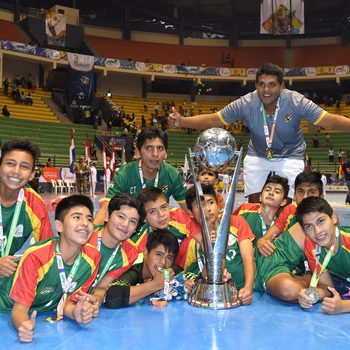
That balance was confirmed by Colombia’s performance in the decisive stages of the tournament. The gold medal reflected the continuation of a competitive identity that had been visible during the group phase: disciplined positioning, intensity and an ability to control the rhythm of the matches. The results and athlete profiles available in the official archive allow visitors to follow the evolution of the squad that ended as the South American school champion in Cochabamba.
Brasil: velocidad y eficiencia finalists
The Brazilian team stood out for its directness and ability to exploit open spaces. Its attackers moved quickly into the areas left by the opposing defense, while the transition from defense to attack happened with few unnecessary passes. That dynamism allowed Brazil to impose pressure without always requiring prolonged possession, a particularly valuable resource when the score was balanced.
Efficiency was also present away from the ball. The team defended with energetic closing down and sought clear passing options rather than forcing risky plays. Goalkeepers and defenders contributed to a solid collective structure, which helped preserve the advantage obtained in the group matches. On occasions when Brazil could not dominate the opposition, the squad remained difficult to overcome because it knew how to protect the score and find opportunities in set pieces.
That approach carried Brazil into the final part of the tournament and earned the silver medal. Its group campaign showed the features that later defined the team: rapid combinations, vertical play and clinical execution in the decisive moments. The archived match sheets, schedules and photo galleries provide additional evidence of a squad that demanded attention throughout the competition and finished the tournament one step below Colombia.
Chile y la competencia de las otras selecciones
Chile manned its group campaign with intensity and a willingness to dispute every ball. The team used quick changes of rhythm, technical work in short spaces and coordinated pressure to disturb opposing possession. Its aggressive approach generated promising attacks and kept rivals under constant pressure, although maintaining that intensity required careful physical management across several match days.
The bronze medal confirmed Chile’s place among the leading South American school selections. The Chilean delegation also benefited from experience in international school competitions and presented a coherent identity on the field. Its results during the group phase should be considered together with the medal phase, since the standings changed as the strongest teams moved into the final round.
Bolivia had the additional incentive of playing at home. The altitude of Cochabamba and the support of local spectators influenced the atmosphere of its matches, while the delegation attempted to impose an energetic style against teams with greater international experience. Other participating selections also contributed to the difficulty of the group stage, using different tactical approaches to prevent any single team from imposing its rhythm. The full tables make it possible to compare each campaign and identify the results that shaped the final positions.
Resultados, regulations yIEN archives
La consulta de los resultados requiere attention to the exact dates. Each match sheet records the participating delegations, the goals, the goalscorers and the disciplinary information, depending on the level of detail published by the organizing committee. The complete competition schedule allows the progression of the group phase and the final round to be reconstructed without confusing an intermediate table with the consolidated classification.
Las reglas de desempate explican why teams with equal points could occupy different positions. Goal difference, goals scored and, where applicable, disciplinary criteria or additional criteria established in the regulations were used to separate the squads. The official regulations provide the reference needed to understand these decisions, while the summaries by delegation offer a convenient way to review every appearance.
The event website also preserves material beyond the numerical results. Athlete biographies, team lists, venue information, schedules, news and media galleries document the experience of participating nations. Photographs capture training sessions, arrivals, ceremonies and moments of competition, while videos preserve goals, celebrations and other highlights. Together, these resources turn the tournament into an archive that goes beyond the final medal table.
Consulta los resultados y acompaña la competencia
Accede al archivo oficial de los Juegos Sudamericanos Escolares Cochabamba 2017 y abre la disciplina de fútbol 11 femenino. There you can review the group standings, match results and final classification corresponding to each date of the tournament. The schedules and regulations are available alongside the competition information, making it easier to understand how each round influenced the fight for the podium.
Explora las fichas de las delegaciones y los perfiles de las piggyback players to know the squads that represented each country. The official record connects the athletes with the venues and competitions, providing context for their participation and allowing visitors to follow the path of the leading selections.
Finally, browse the photo and video galleries to revisit the goals, celebrations and ceremonies that marked the event. Consulta los resultados desde el 4 hasta el 9 de diciembre, revisa cada jornada y accompany the complete history of the women’s 11-a-side football competition through the official archive of Cochabamba 2017.







 Argentina
 Bolivia
 Bonaire
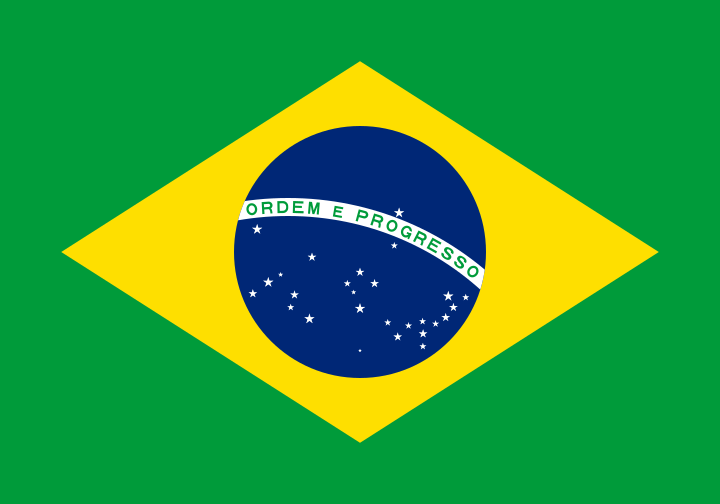 Brasil
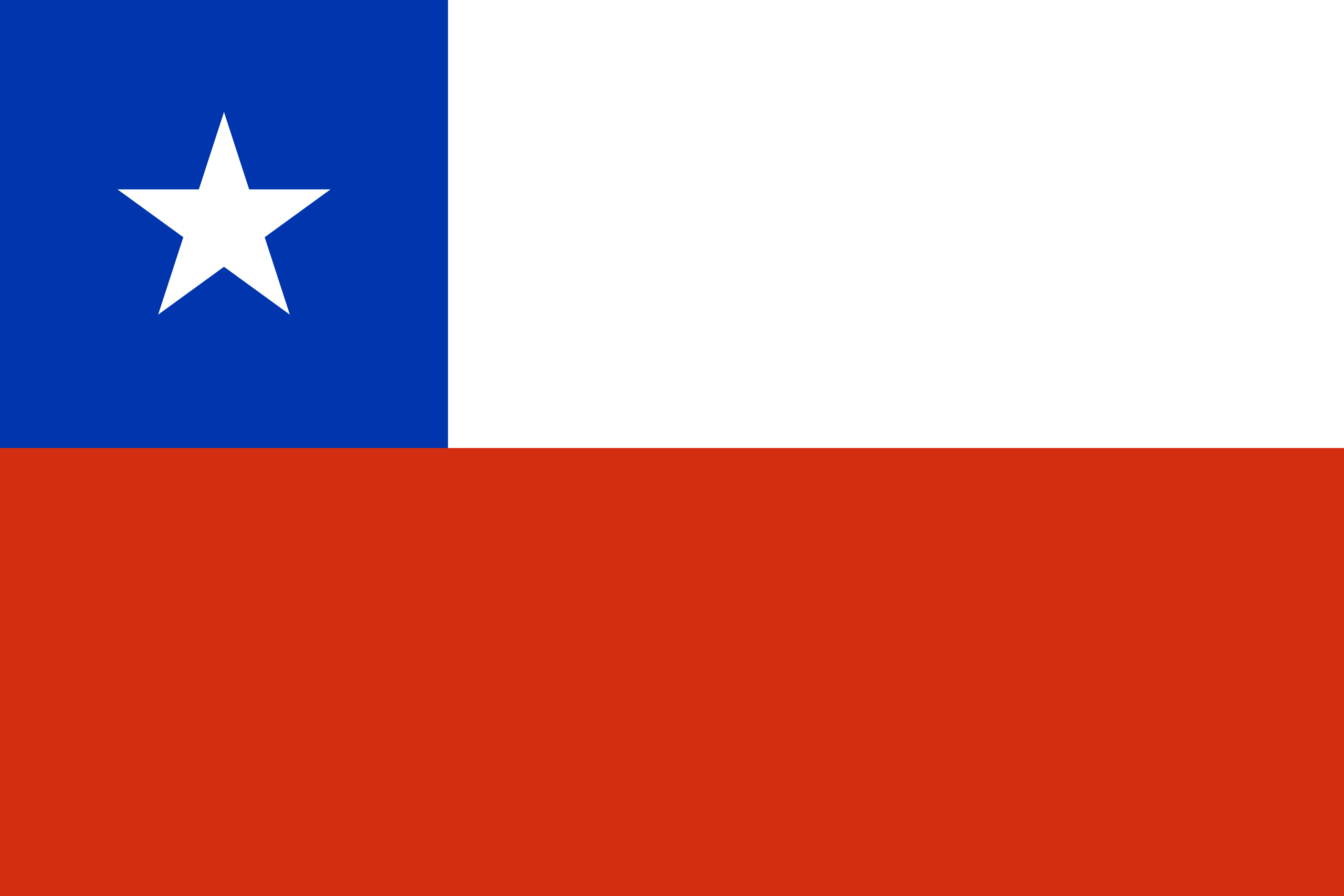 Chile
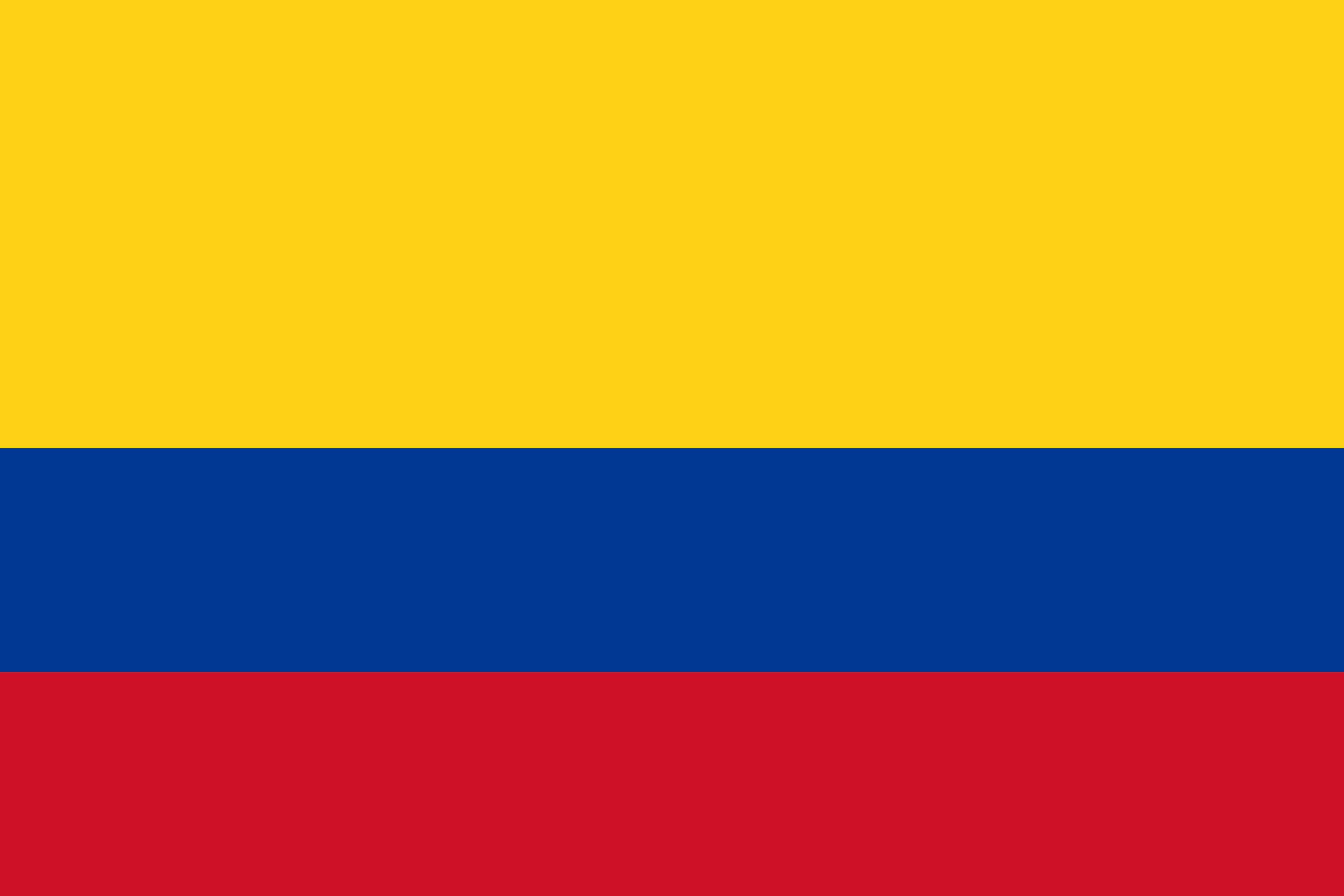 Colombia
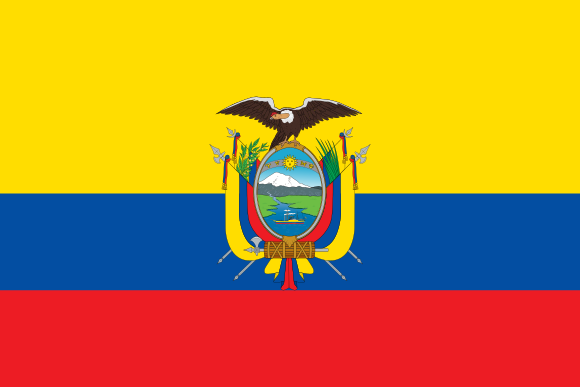 Ecuador
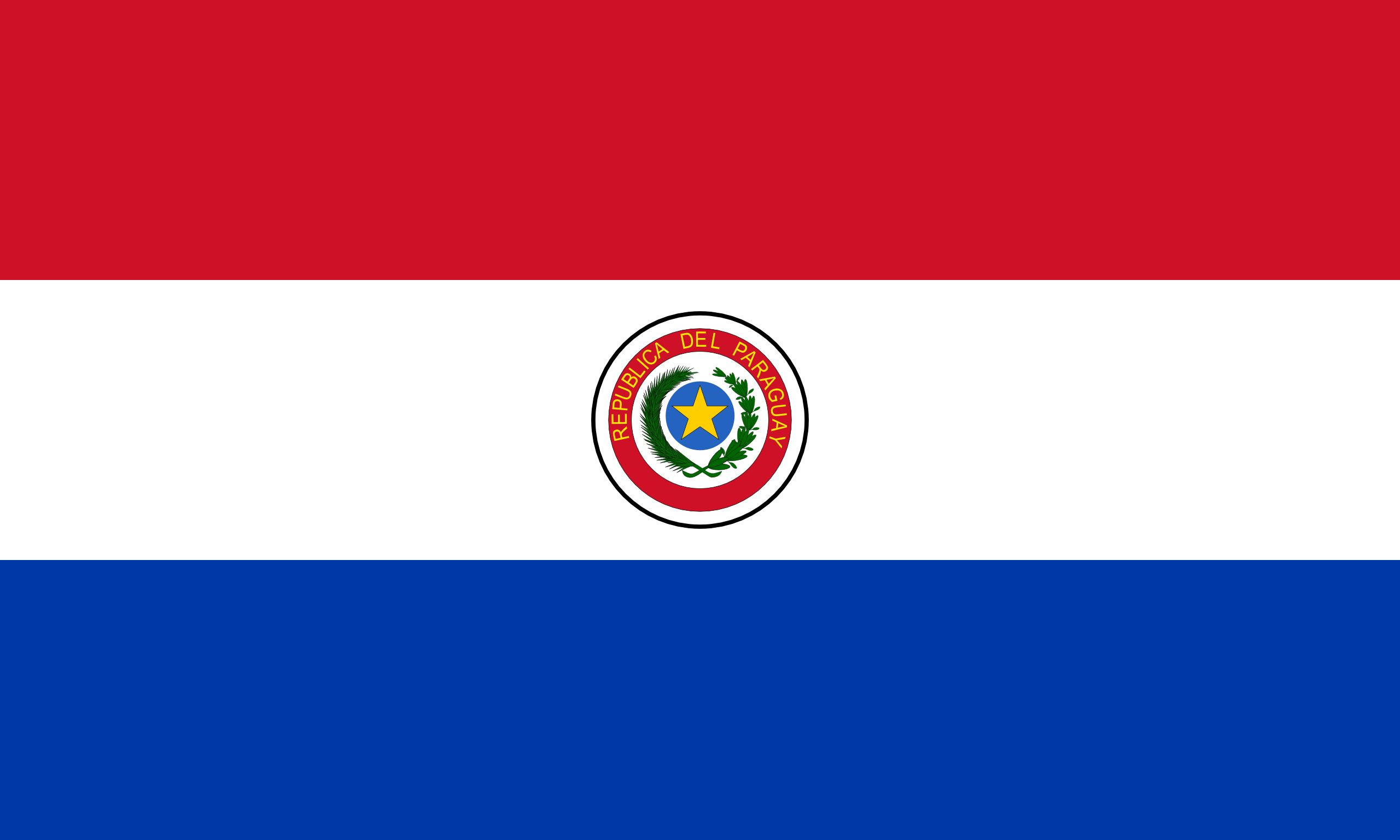 Paraguay
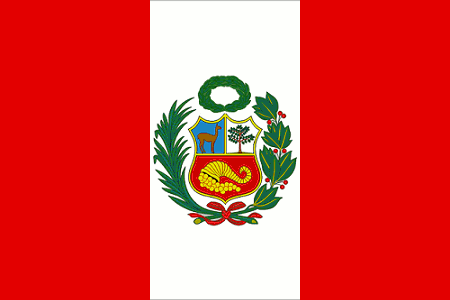 Perú
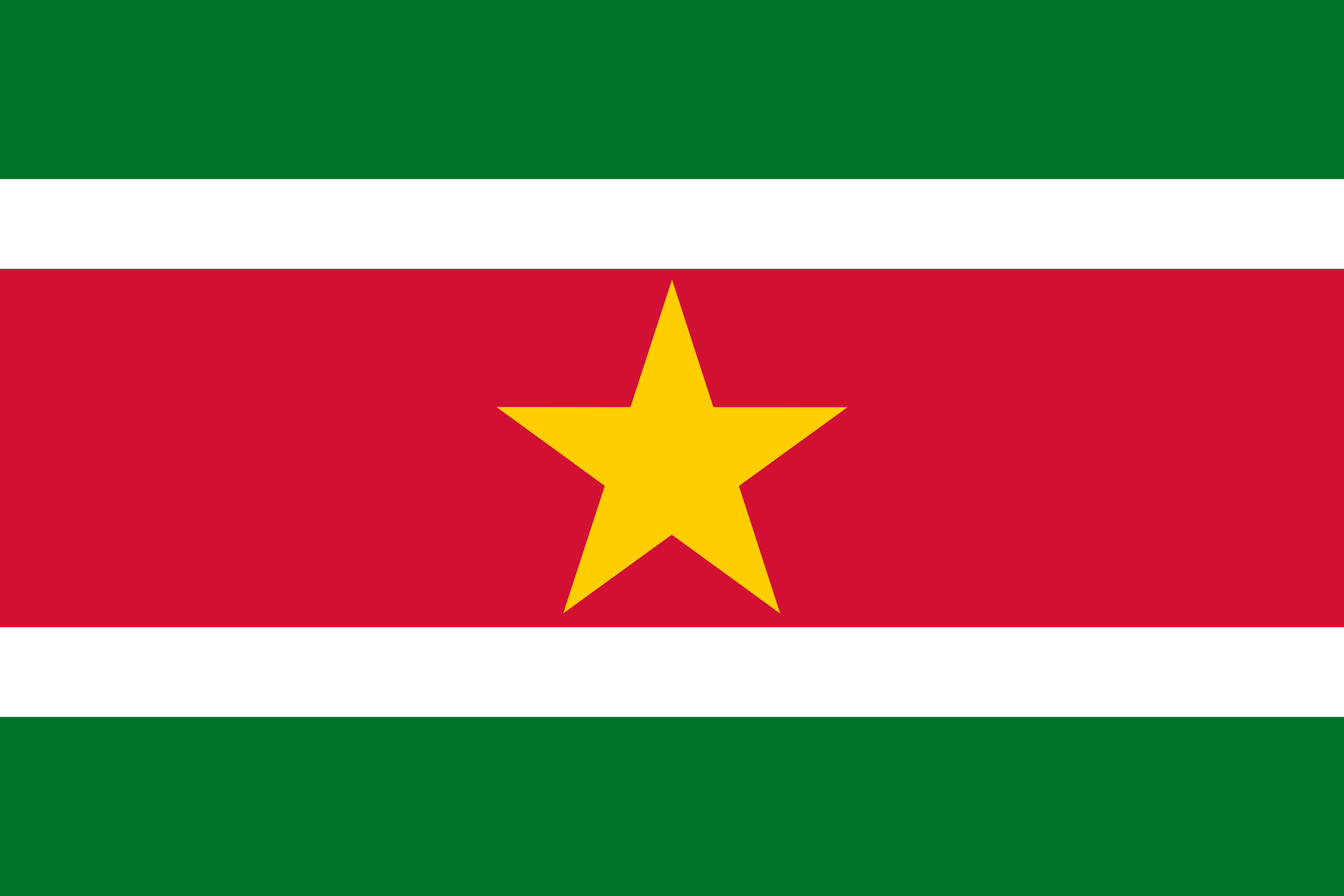 Surinam
 Uruguay