XXIII Juegos Sudamericanos Escolares 2017
Cochabamba, del 04 al 09 de diciembre
XXIII Juegos Sudamericanos Escolares 2017
Cochabamba, del 04 al 09 de diciembre
Entre el 4 y el 9 de diciembre de 2017, Cochabamba(金尊 hosted the XXIII Juegos Escolares Sudamericanos, un evento queeil puso a la región en el centro de la agenda informativa. Delegaciones, atletas, disciplinas, sedes y ceremonias belonging conformaron un conjunto de stories con interés para auditory local, familias, instituciones educativas y lectores de toda Bolivia.
El papel de los medios locales en la cobertura del evento iba más allá de publicar resultados. Su cercanía con los territoriosparticipantsallowed them explain regulations, follow the protagonists, alert readers about changes and conectar theLiz competitions with everyday life. Radio, prensa, televisión y plataformas digitales offeron a complement the official archive with voices, contexts and verification.
La llegada de las delegaciones transformó la agenda periodística de Cochabamba. Cada Ouro delegation generated stories about the athletes, their sports, their respective Delegations and experiences in the Bolivian city. Los medios locales had the capacity to tell those stories through interviews, commentaries and images close to the communities that received them.
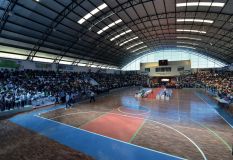
The venue information required constant attention. The competition took place across different spaces, so readers needed to know how to reach the venues, when the events would begin and how to follow the results. A well-informed local media helped turn complex logistical details into useful guidance for families, teachers and sports fans.
The event also offered editorial material linked to local identity. Cochabamba appeared as host, but it was also a city of spectators, volunteers, organizers and service providers. Las coberturas que hearing these perspectives showed the city as more than a host: it was an active community that made the Games possible.
Durante la competition, the media functioned as a bridge between the official organization and the public. Published schedules, regulations and result information had to be adapted to the needs of an audience with very different levels of familiarity with the event. Local journalists could explain terminology, identify the best routes and clarify details that appeared only in official documents.
The proximity of the media also made possible a more human perspective. Reporters could attend training sessions, talk with coaches and follow athletes in the moments before and after competition. These accounts provided context for results and helped audiences understand the effort behind each performance. The information was closer, more immediate and more relevant to the local community.
Digital communication accelerated that process. Updates through websites and social networks allowed news to travel quickly, while photographs and short videos gave the audience direct access to ceremonies and competitions. Una experiencia internacional ofrece un contraste útil para pensar la estrategia digital: la visibility of a sporting event depends on combining speed, visual material and clear information for different audiences.
Los athletes were the central protagonists, yet their stories went beyond the final score. The official event website enabled readers to consult individual records and documentation. La web oficial permite consultar, por ejemplo, el perfil del atleta, un recurso útil para vincular lasencio biographical information with the competition coverage.
Local media could add a second layer by giving these records a social context. ¿QuéASIC? Where did the athletes train? Who accompanied them? What expectations existed within their schools, families and communities? Answering these questions required direct contact and careful listening, areas in which local journalists often had greater access than distant media outlets.
These narratives also promoted respect for the diversity of the participating delegations. Each country brought its own sporting traditions and educational experience. Las spearheaded coberturas que hearing the voices of coaches, teachers and young athletes could convey that diversity without reducing their participation to a nationality or a sports result.
La rapidez de la cobertura digital no justificaba la publicación de información sin comprobar. Fechas, horarios, resultados, disciplinary regulations and venue changes had to be verified against official sources. When an error appeared, a clear correction protected the credibility of both the medium and the event.
Las imágenes also required special care because many participants were minors. Consent, respect for privacy and the right to report sporting performance without unnecessary intrusion became essential editorial responsibilities. The visual record of a competition could celebrate the achievement of a young athlete without exposing the private experiences that surrounded it.
The relationship with event organizers and sponsors also demanded transparency. Commercial information should be identified as such, and promotional material should not replace journalistic scrutiny. The media’s task was to inform, contextualize and ask relevant questions, maintaining independence while cooperating with the practical needs of a large international event.
La calidad de the cobertura could be measured through more than the number of published pieces. It was also reflected in the usefulness of the information, the diversity of the voices included, the speed of corrections and the ability to preserve materials that documented the competition. These indicators helped local outlets evaluate their own work and identify the areas that required greater attention.
Acciones para fortalecer el archivo local:
The legacy of Cochabamba 2017 could be measured in the stories that continued to circulate after the competitions ended. The media were called to use the official information as a reliable starting point, contrast it with testimonies and local knowledge, and publish materials that future researchers, educators and sports fans could consult. Each verified report, respectful photograph or clear explanation contributed to a more complete memory of the Games and to the visibility of the young people who represented their countries in Bolivia.
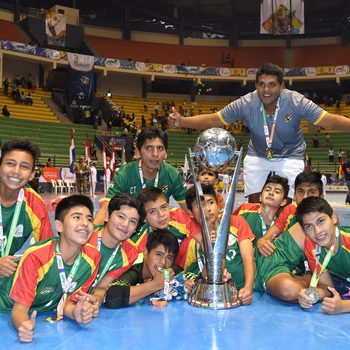
A plan de mucho esfuerzo, concentración y disciplina, las selecciones chilenas de baloncesto lograron ubicarse en lo más alto del podio sudamericano en el baloncesto. Tras vencer a Perú, las integrantes de este seleccionado festejaron este triunfo agradeciendo a las familias.
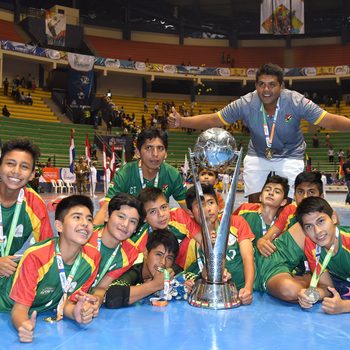
Pese a la derrota ante Brasil (1-2), las locales sumaron siete puntos en la tabla comparativa, lo cual las coronó como campeonas del fútbol femenino en los XXIII Juegos Sudamericanos Escolares Cochabamba 2017.
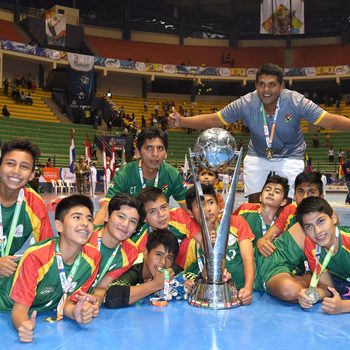
Una brillante participación del equipo boliviano del voleibol masculino logró que el cuadro local se consagre como campeón de este deporte en los Juegos Escolares Cochabamba 2017.





 Argentina
 Bolivia
 Bonaire
 Brasil
 Chile
 Colombia
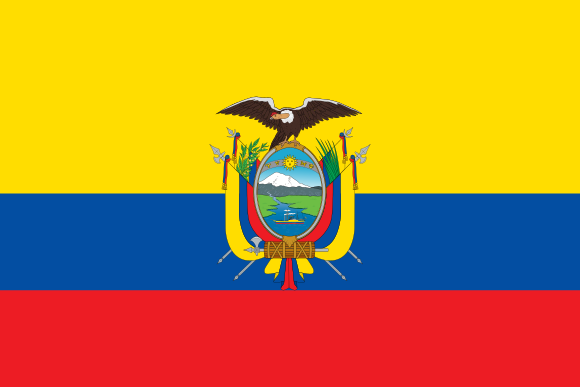 Ecuador
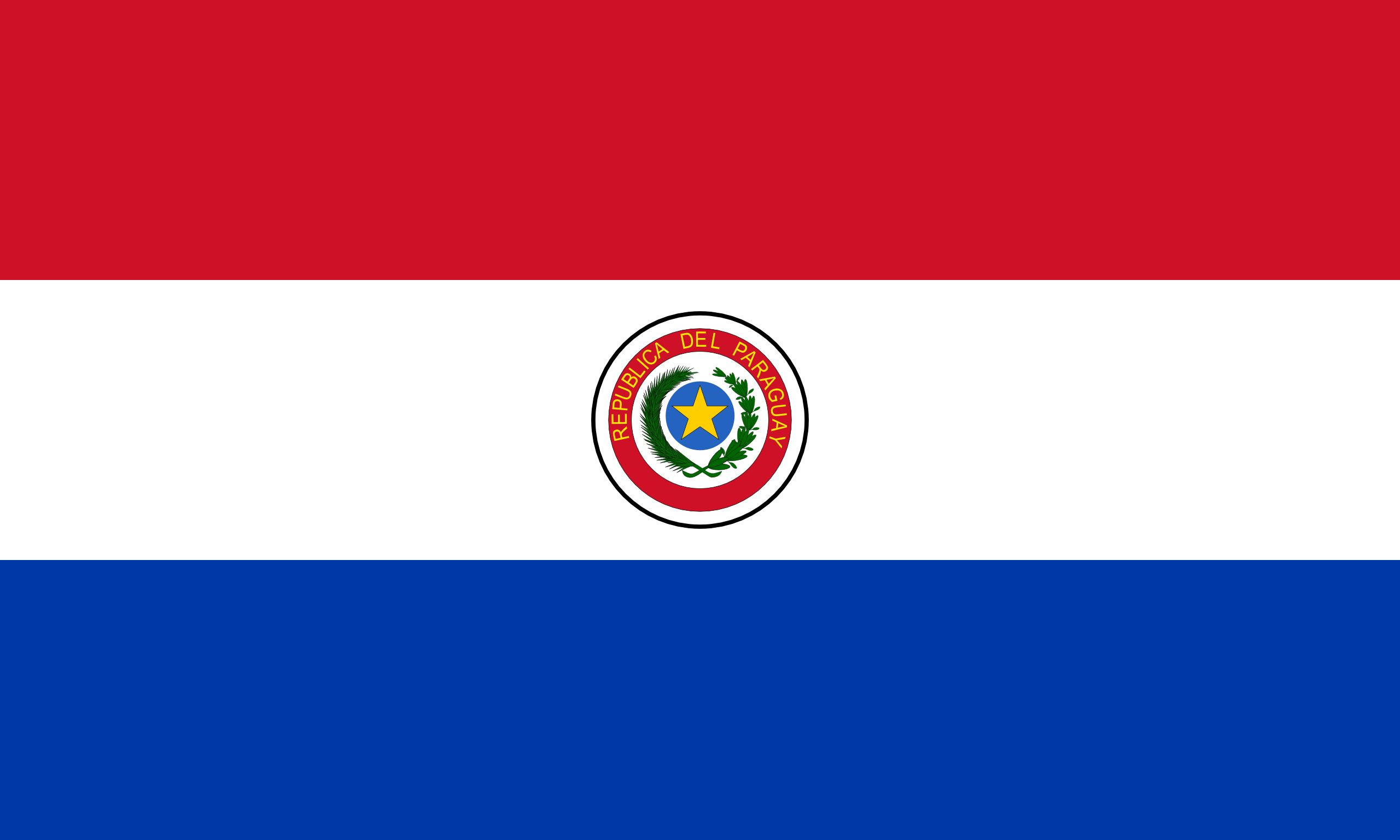 Paraguay
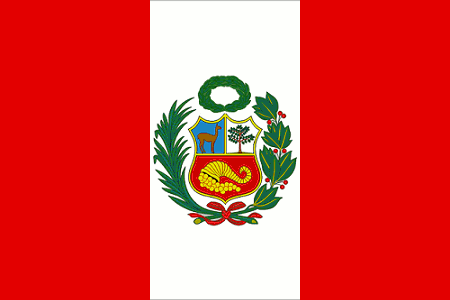 Perú
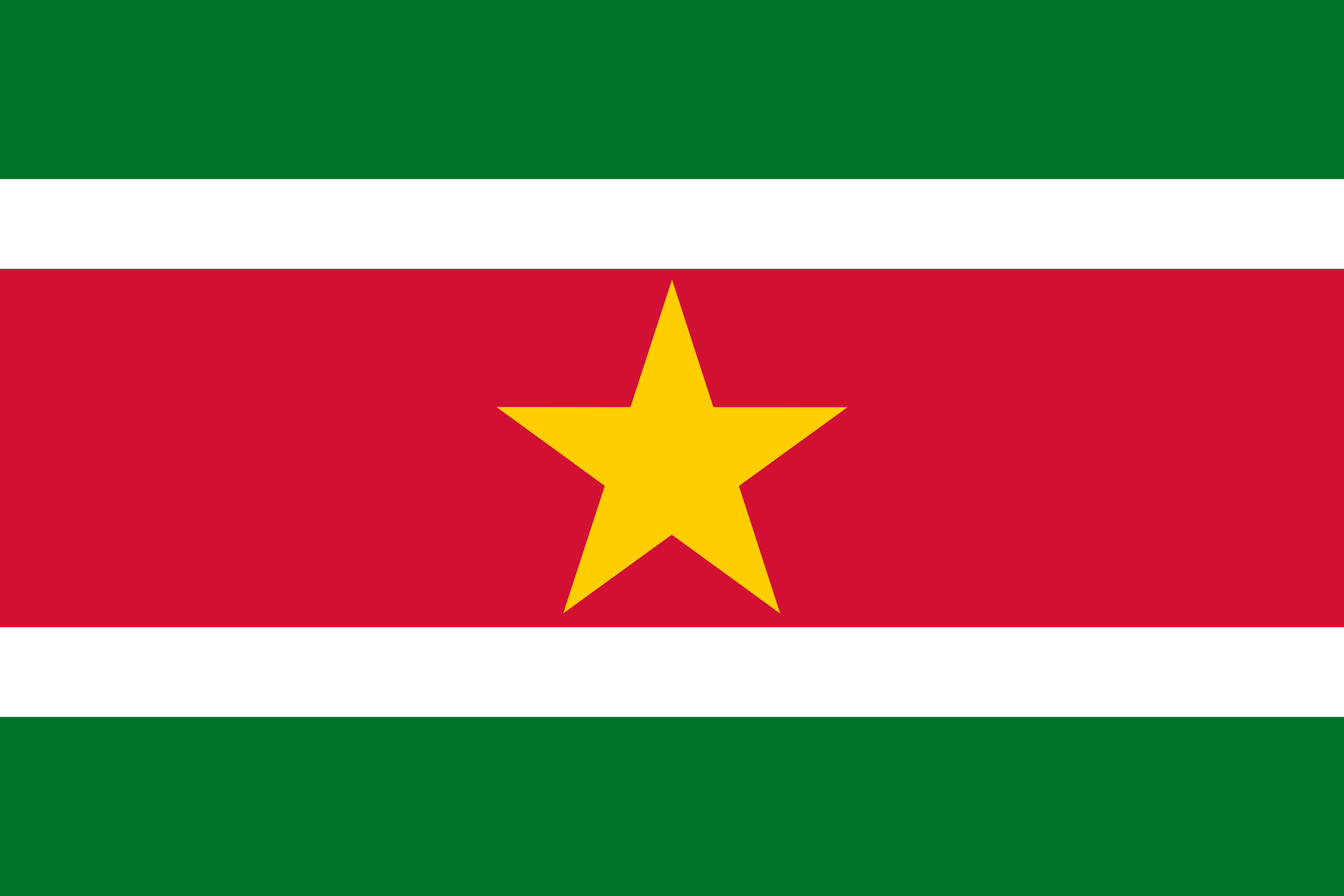 Surinam
 Uruguay