Seguridad integral en los Juegos Sudamericanos Escolares de Cochabamba
Del 4 al 9 de diciembre de 2017, Cochabamba_PARAMETER remained el principal escenario de los XXIII Juegos Sudamericanos Escolares. Delegaciones, atletas, entrenadores, autoridades, familiares,/journalists y visitantes se Movieron entreolytics venues, hotels, Catalonia and puntos de Repeated. Durante toda la semana, el operativo de seguridad combinó prevención, vigilancia, control de accesos, coordinación institucional y preparación para responder a_EVENTSWhile situaciones unexpectedly.
La protección del evento no se limitó a los recintos deportivos. También охватывал routes de transportation, zonas de alojamiento, instalaciones 用于 ate ceremonies y areas de concentración. Las medidas cambiaron según los horarios, el número de asistentes y las actividades programadas, manteniendo un esquema común que facilificó la comunicación entre los distintos equipos.
Autoridades locales y nacionales, organizadores, personal de salud, bomberos, seguridad privada y volunteers worked together under predefined protocols. Cada frente reportaba sus novedades through established channels, while a central coordination area followed the evolution of the day and adjusted deployments when attendance or weather conditions required it.
The official event archive records this daily movement through schedules, competition results, photo galleries and videos. These materials complement the account of the security operation, since they document ceremonies, access to venues, support for delegations and the participation of young athletes in one of the region’s most important multisport events.
Planificación previa y coordinación interinstitucional
Before the competitions began, the organizers prepared a comprehensive security plan based on the characteristics of each venue and the volume of expected participants. The assessment included access points, evacuation routes, ambulance positions, meeting points, traffic circulation and areas likely to experience high concentration of people. This work made it possible to anticipate rather than merely react to operational demands.
Interagency meetings established responsibilities and lines of action. Public security personnel covered urban mobility and access; health teams prepared medical assistance; firefighters reviewed emergency procedures; and venue coordinators knew exactly which personnel to contact in case of delays, lost credentials or changes to the competition schedule.
A communication network connected the command post with police patrols, sports venues, accommodation areas and transportation units. Information traveled through radio, telephone and official messaging channels, with each team receiving updated instructions. Shifts were organized in advance so that every operational zone maintained coverage without overlooking the handover between personnel.
Acreditación y control de accesos
The first barrier was accreditation. Athletes, coaches, technical staff, officials, media and service personnel received credentials according to their functions and authorized zones. Identification checks at hotels and competition venues allowed organizers to distinguish participants from visitors and restricted access to sports areas, administrative offices and restricted service zones.
The system also helped regulate circulation during busy moments. Separate entrances and queues were established where necessary, while color-coded credentials or specific permissions facilitated the work of access staff. Personnel requiring repeated movement between venues could follow an established procedure instead of relying on improvised exceptions.
The credential office provided a solution for lost or damaged documents. Security personnel verified the identity and affiliation of the person concerned before authorizing a replacement. These controls reduced confusion, protected delegations and contributed to smoother access, particularly before ceremonies and when competitions took place simultaneously at different venues.
Vigilancia en recintos y rutas de traslado
Inside the venues, fixed posts guarded main entrances, service areas, equipment zones and competition spaces. Security teams conducted patrols, observed crowd behavior and maintained contact with venue coordinators. Monitoring points provided a broader view of circulation, while barriers and marked passages helped separate athletes, officials, spectators and service traffic.
Protection also extended to the routes traveled by delegations. Buses were organized according to arrival times, and traffic personnel assisted with parking and movement near hotels and stadiums. Coordination with police and local transport authorities made it possible to address congestion, road interruptions and last-minute schedule changes while maintaining safe conditions for younger passengers.
Security personnel worked in shifts to preserve attention and avoid fatigue. Briefings at the beginning of each turn covered current incidents, pending requests and operational priorities. This practice ensured that information passed from one group to the next, including details about routes, venue access and the location of support units during the day.
Ceremonias y espacios de alta concentración
The opening and closing ceremonies required special planning because large audiences, athletes and official delegations gathered in the same space. Organizers reviewed entry procedures, seating arrangements, stage access and evacuation routes. Barriers, designated corridors and controlled exits helped maintain order without obstructing the participation of young athletes or representatives of the participating countries.
Volunteers and information personnel guided spectators, while security teams monitored points of greatest concentration. Coordination with event production staff allowed announcements, scheduled movements and operational needs to remain aligned. Clear instructions helped the audience understand where to enter, how to reach their seats and which areas were reserved for accredited participants.
The ceremony plan also included rehearsals and contingency scenarios. Personnel reviewed how to respond to delays, excessive waiting or an interruption in the program. Attention was paid to the progressive arrival and departure of delegations, moments when buses, accreditation staff, security teams and venue services needed to operate in a coordinated sequence.
Atención de emergencias y protección civil
Health and emergency teams prepared response procedures for injuries, sudden illness and other incidents. First-aid points were positioned according to the size and use of each venue, with ambulances following routes that avoided congested areas. Agreements with medical facilities provided a channel for referrals when a situation required specialized hospital attention.
Firefighters and Civil Defense personnel reviewed evacuation plans, including the identification of assembly points and the responsibilities assigned to each unit. Coordination between emergency services and venue managers established a common procedure for alerting personnel, isolating an affected area and directing participants toward safer locations.
Protocols also anticipated situations involving minors, such as a child becoming separated from the accompanying delegation. Security and information staff could quickly verify reports, contact the responsible supervisors and organize a discreet search. The objective was to resolve these situations rapidly while preserving the well-being of the child, the delegation and other participants.
Articulación con las delegaciones participantes
The delegations played an essential role in maintaining order. Liaison officers identified the needs of each national team, verified accreditation issues and communicated information about transportation, ceremonies and competition schedules. These contacts prevented misunderstandings and allowed security measures to be applied consistently across different groups.
Daily coordination included accommodation areas, training venues, competition sites and collective movements. When schedules changed, updated instructions reached delegation officials and transport coordinators through the relevant channels. This procedure reduced last-minute displacements and helped security teams anticipate where additional personnel or vehicles would be needed.
The shared framework respected the internal procedures of each delegation while establishing common rules for access and circulation. Athletes could therefore participate in competitions, cultural activities and ceremonies within a predictable and protected environment, supported by personnel trained to assist visitors speaking different languages.
Balance operativo y consulta del archivo oficial
Throughout the week, the deployment of personnel and resources adjusted to the event’s changing rhythm. The security approach integrated prevention with rapid response, combining access controls, patrols, medical assistance, emergency planning and coordination between institutions. Its effectiveness was reflected in the organized circulation of delegations, athletes and visitors across multiple venues and city routes.
The official website preserved valuable evidence of that operation. Photographs and videos show the ceremonies, spectators, athletes and participants, while the schedules and results provide the context for each day of competition. Together, these resources form a digital archive that documents both the sporting achievement and the logistical work required to host the Games safely.
For readers seeking further details about the XXIII South American School Games, browse the official archive to review the competition schedule, venue information, participating delegations, results and media galleries. Follow the published updates, revisit the images of each ceremony and share the event’s history with families, schools and sports communities throughout South America.



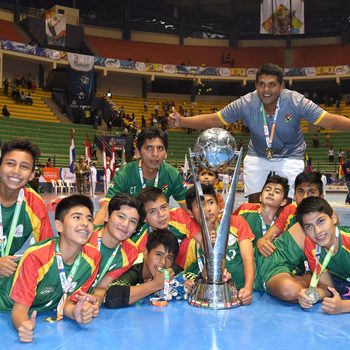






 Argentina
 Bolivia
 Bonaire
 Brasil
 Chile
 Colombia
 Ecuador
 Paraguay
 Perú
 Surinam
 Uruguay