La velocidad de los 100 metros en Cochabamba
Los 100 metros concentran la esencia de un atletismo de velocidad. Apenas diez o doce segundos de carrera condensan fuerza, técnica y capacidad para sostener el máximo ritmo bajo presión. En los XXIII Juegos Escolares Sudamericanos, celebrados en Cochabamba del 4 al 9 de diciembre de 2017, esta distancia fue uno de los escenarios más esperados del programa. Los estudiantes compitieron por sus delegaciones en una prueba que suele decidirse por centésimas, donde una buena salida y una arrancada limpia pueden transformar por completo la clasificación.
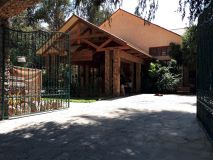
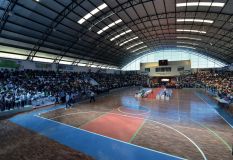
Seguir esta competición desde el sitio oficial permite consultar el programa, conocer las instalaciones, revisar los reglamentos y acceder a los resultados. El sitio reúne además imágenes y vídeos de ceremonias y competencias, y forma un archivo útil para atletas, entrenadores, familias y centros educativos. En el atletismo, ese material conserva cada etapa de la prueba: rondas clasificatorias, semifinales, final, tiempos y registros de viento.
La prueba que despierta la pista
La carrera de 100 metros se desarrolla en una recta de 100 metros, con ocho carriles y una salida simultánea. Cada corredor permanece dentro de su carril, por lo que no puede recibir el apoyo de otro atleta ni cruzar hacia el lado más favorable. Los primeros metros deciden la ventaja, pero el resultado también depende de alcanzar una velocidad elevada sin perder forma al llegar a la meta. La longitud de la recta favorece la comparación directa entre aceleración, velocidad máxima y precisión en los primeros pasos.
Las rondas previas cumplen una función táctica y clasificatoria. Las mejores marcas dan paso a las siguientes fases y, finalmente, a la final. Un rendimiento prudente en la primera ronda puede dejar al atleta en una posición favorable para SEMIFINAL, mientras que una salida demasiado aggressive puede消耗? "agotar" energy before the decisive round. El tiempo registrado en cada confrontation therefore shapes both the classification and the strategy of those still in contention.
El sorteo de carriles, el orden de salida y los horarios también forman parte de la planificación. Un corredor que obtiene el mejor tiempo puede situarse en un carril claramente favorable, mientras que la presión del ambiente escolar puede的不同? "cambiar" la forma de arrancar. El reglamento de la competencia establece el procedimiento de presentación, las condiciones de cronometraje y las pautas que deben seguir losutt? "participantes" before each heat. Revisar esa información ayuda a comprender el desarrollo de la prueba y las decisiones de los|Comités? "comités" during it.
Los favoritos y sus marcas
Identificar a los favoritos exige mirar las marcas achieved, las marcas previas y la forma de ejecutar las rondas. El athlete que se acerca al récord personal o que repeats a fast time in classification is placed on the list of candidates, but no single number tells the whole story. The reaction, the trajectory, and the ability to remain focused when the strongest rival is next to it complete that evaluation.
Entre los candidatos aparecían athletes with different backgrounds. Some had specialized in the 100 meters and searched for maximum speed from the first stride. Others arrived from the 200 or 400 meters and possessed greater race experience, although they needed to preserve energy for the final acceleration. The public also closely followed the local athletes, whose starts and personal bests could generate an emotional atmosphere in the stadium without changing the sporting criteria.
Las preferencias nunca fueron definitivas. Un favorite could lose a place in the lineup due to a poor start, a false start, excessive tension or an unfavorable wind reading. Another could advance after showing greater tactical maturity in the first round. For that reason, the list of favorites was better understood as a provisional projection: it showed who had the strongest credentials, but the final order emerged only when the starting pistol sounded and the runners reached the finish line.
El arte de salir sin errores
Una carrera de 100 metros puede dividirse en tres fases. During the first 30 meters, the athlete leaves the blocks and progressively increases speed. Between 30 and 60 meters, the stride lengthens and the body reaches a more upright position. The final stretch is dedicated to maintaining maximum velocity, controlling the stride and avoiding any loss of balance close to the line. Each phase depends on the previous one, so an error in the acceleration can be difficult to compensate for later.
The blocks form part of the technical preparation and of the visual spectacle. The feet are placed against the pedals, the knees and hips are flexed, and the arms are prepared to drive the body forward. The starter evaluates the readiness of the athletes and gives the signal when everyone is stable. A false start invalidates the performance, while a delayed reaction means losing valuable centimeters. Electronic systems measure the reaction time from the firing of the pistol and help identify any irregularity in the procedure.
Wind and timing complete the technical reading of the race. The electronic clock records the time between the start and the arrival at the finish, allowing marks obtained on different occasions to be compared with much greater precision. In the 100 metres, a legal tailwind for record purposes may reach +2.0 metres per second. A reading above that limit prevents the mark from being recognized as a record, although it does not alter the sporting order of the race. Every official result therefore deserves to be read together with its wind annotation.
Estrategias para cruzar primero
The first steps demand a balance between force and restraint. An overly extended stride can cause the athlete to land far ahead of the centre of gravity, while a short and explosive movement may waste energy. The body should rise gradually as speed increases, keeping the head stable and the arms coordinated. Once the maximum velocity zone is reached, the runner seeks a regular rhythm that reduces unnecessary movement and preserves the capacity to accelerate again during the last meters.
Los carriles help define the tactical options of each athlete. Staying close to the inner line can shorten the distance slightly, but it may also limit the space needed to develop the stride. Moving outward to avoid another runner is not permitted, so the best strategy is to find a clean line and maintain it. At the finish, athletes are advised not to jump prematurely. The arrival of the torso at the vertical plane of the finish line determines the time, and a lunge executed too early can actually slow the crossing.
Las rondas also require psychological control. A favorite who reaches the final after several starts must avoid accumulating tension. Some athletes conserve energy by shortening their stride in the opening phase and then increase speed gradually. Others prefer to attack the first round to put pressure on their rivals. The public sees a series of brief bursts, but each athlete is managing attention, breathing, rhythm and confidence at the same time. That combination determines whether an excellent position survives until the final confrontation.
La memoria atlética de 2017
El archivo oficial de los XXIII Juegos Escolares Sudamericanos reúne la información necesaria para reconstruir la actuación deportiva de los 100 metros. Los programas y horarios sitúan cada ronda, los reglamentos muestran las condiciones de la prueba y las listas de resultados permiten comparar los tiempos de los participantes. Esta organización convierte el evento de 2017 en una fuente de consulta para estudiantes, clubes yard's schools? "escuelas" que quieren estudiar la velocidad desde una perspectiva técnica.
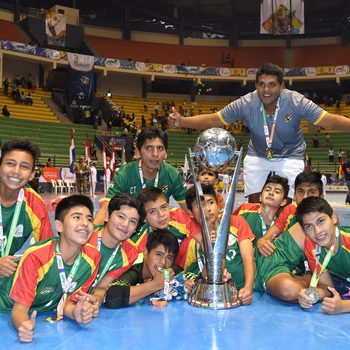
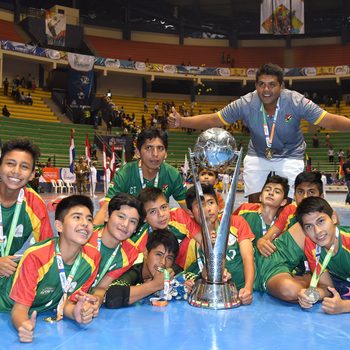
Las galerías fotográficas y los vídeos amplían ese archivo. Las imágenes muestran la presentación de las delegaciones, los preparativos en pista y los instants de máxima tensión; los vídeos permiten observar con mayor precisión las arrancadas, la evolution of each runner and the fight at the finish line. Together, these materials preserve the atmosphere of the School Games and allow the competition to be revisited long after the final race.
Consulte ahora los resultados de Atletismo, los programas y las galerías del sitio oficial, y siga la memoria audiovisual de los 100 metros en Cochabamba 2017. Comparta las marcas y los recordings con your school or community para mantener accessible el legado deportivo de esta edición.









 Argentina
 Bolivia
 Bonaire
 Brasil
 Chile
 Colombia
 Ecuador
 Paraguay
 Perú
 Surinam
 Uruguay